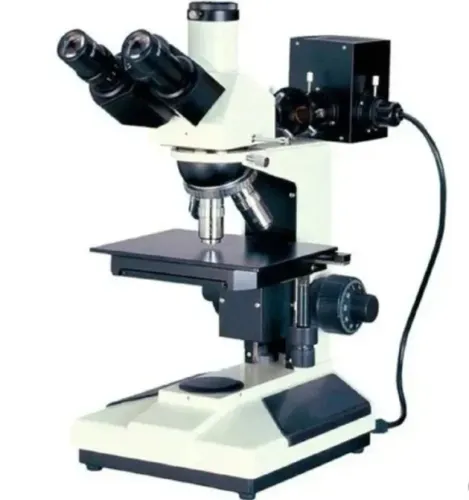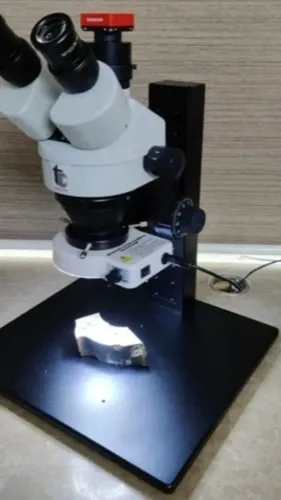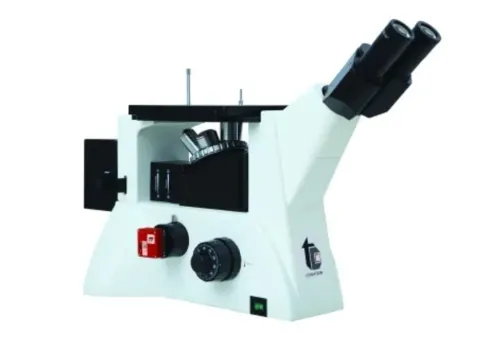

Selecting a Cleanliness Analyzer requires more than comparing camera resolution or software screenshots. The system becomes part of a complete technical-cleanliness workflow, so its suitability depends on the components being tested, applicable cleanliness requirements, sample volume, reporting needs, and laboratory procedures.
For automotive suppliers, precision manufacturers, engineering companies, and quality laboratories in Shivajinagar, Pune, defining these requirements before requesting equipment can prevent both under-specification and unnecessary complexity.
Start With the Test Requirement
Before comparing systems, determine why cleanliness testing is being performed.
Is the laboratory responding to a customer specification? Is it implementing an internal contamination-control program? Does testing need to align with ISO 16232-related requirements? Are results required for production approval, supplier monitoring, or process development?
The answer determines which analytical capabilities actually matter.
Confirm What the Analyzer Needs to Measure
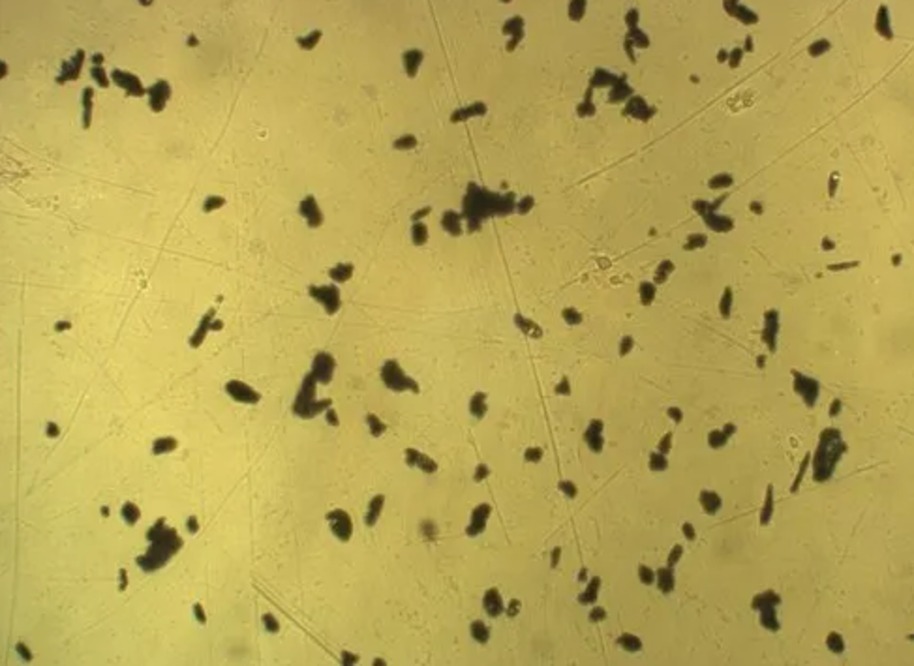
A Cleanliness Particle analyzer may be expected to detect and classify contamination collected on a membrane filter.
Before selection, clarify the required measurements. These may include particle count, dimensional characteristics, particle-size classes, maximum particle size, or classification functions supported by the intended method.
Avoid assuming that every analyzer performs every type of contamination characterization.
Review the Entire Workflow
The analyzer is only one stage.
A practical cleanliness laboratory may require facilities and equipment for component handling, contamination extraction, fluid filtration, membrane preparation, drying or conditioning as required by the procedure, optical analysis, and reporting.
If these stages are not controlled, investing heavily in analysis software alone will not create a reliable cleanliness process.
Ask About Reporting
For production environments, the report can be almost as important as the measurement.
Quality teams may need results that can be reviewed against customer requirements, retained for traceability, compared between batches, or shared during supplier discussions.
Evaluate whether the system can produce clear, usable documentation without creating excessive manual work after every test.
Consider Repeatability and Operator Use
A sophisticated system that is difficult to operate consistently may create new problems.
During evaluation, consider:
Ease of sample positioning
Measurement workflow
Calibration procedures
User permissions where relevant
Data storage
Report configuration
Operator training
Routine verification requirements
Maintenance needs
The system should fit the capability of the laboratory team as well as the technical specification.
Think About Future Testing Requirements
Pune manufacturers often serve multiple automotive and engineering customers, and cleanliness requirements can evolve as new components or projects are introduced.
A laboratory buying equipment for one immediate project should therefore consider whether the system can accommodate reasonable future requirements without purchasing features that have no foreseeable use.
Conation Technologies Pvt. Ltd. in Shivajinagar, Pune provides contamination-analysis technologies for industrial quality-control applications.
Before selecting a Cleanliness Analyzer, prepare a sample list of components, expected test frequency, required particle measurements, relevant standards, desired reports, and current laboratory workflow.
That information creates a much stronger basis for evaluating equipment than a generic request for the "best" analyzer. The right system is the one that can produce repeatable, traceable results for the cleanliness decisions the organization actually needs to make.