
Implausible particle counts do not automatically justify replacing the detector or sending the analyzer to a factory. You need to recover the full measurement method, then use blank results, reference-spike recovery, raw particle records, and traceable acceptance tests to decide whether the fault is procedural, consumable-related, software-related, or mechanical.
Key takeaways
- Preserve raw records, filter details, blanks, volumes, and software data before troubleshooting.
- Run a known-particle recovery check across extraction, filtration, counting, and reporting.
- Compare recovery against a documented acceptance rule, not an unexplained pass or fail.
- Choose service after separating poor extraction from analyzer, software, or maintenance faults.
What must recovery prove before you blame the analyzer?
Recovery must prove that the complete cleanliness method—not only DeXel-Filtrate II’s counting function—produces a valid result. Preserve the failed dataset, raw particle image or record, filter identification, sample volume, dilution, extraction-fluid batch, blank result, instrument serial number, software version, and method revision before resetting software or deleting a database.
Define the recovery route before changing parts:
| Route | What it must prove | When it applies |
|---|---|---|
| Component recovery | Particles are extracted from the test component and recovered through filtration and measurement | A component result is implausible |
| Reference-spike recovery | A known contaminant quantity is recovered after blank correction | You need quantitative method evidence |
| Post-maintenance recovery | The as-left system performs against the approved method | After cleaning, repair, relocation, or maintenance |
ISO 16232 and VDA 19.1 provide the framework for component extraction, blank control, filter handling, particle sizing, and reporting. Use the edition approved in your quality system, and identify the exact clauses in the test method.
Do not call the analyzer recovered because it counts particles. Extraction, filtration, filter drying, illumination, imaging, sizing thresholds, blank correction, and reporting conventions must also be verified.
For cleanliness particle analyzer recovery in Pune, that retained evidence separates a sample or handling failure from an instrument fault and preserves the basis for reviewing previously released results.
How do you run a defensible recovery check on DeXel-Filtrate II?
Use these cleanliness particle analyzer recovery choices for DeXel-Filtrate II in Pune:
1. Identify and clean the component, then record its condition, residue, fluid volume, and sample identification. Select an extraction fluid compatible with the residue, filter membrane, tubing, and analyzer method.
2. Measure the fluid volume, flush every relevant surface, and apply the approved rinse, agitation, ultrasonic, or pressure-assisted parameters. Record each setting; uncontrolled extraction makes recovery impossible to defend.
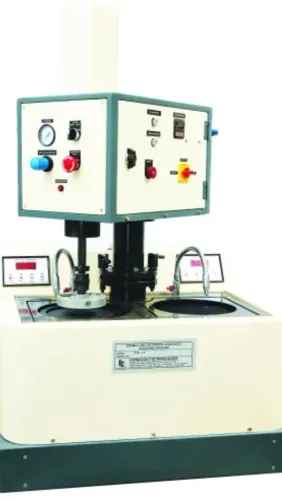
3. Filter the complete extract without overloading the membrane. Record the filter lot or serial reference, prevent transfer contamination, dry the membrane under the validated condition, and handle it only with clean tools.
4. Run a procedural blank and clean-filter control before the recovery sample. Prepare a known spike with approved reference dust or material, recording particle-size distribution, concentration, lot number, storage temperature, container condition, expiry date, and whether reuse is prohibited.
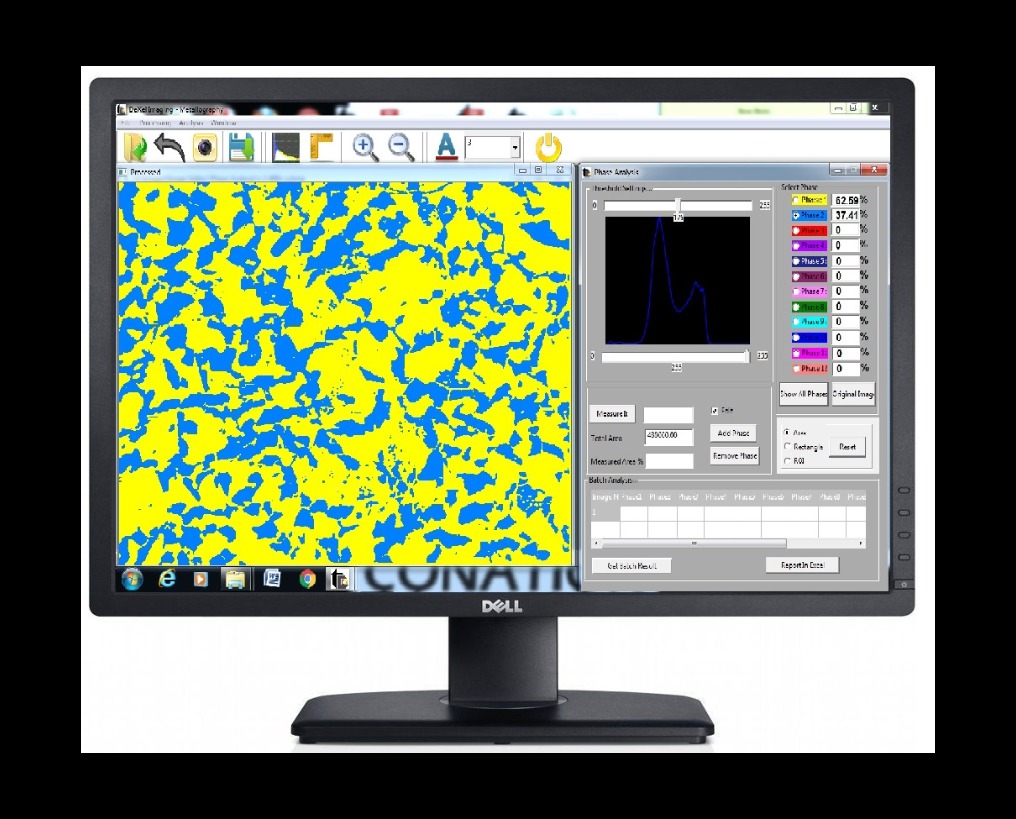
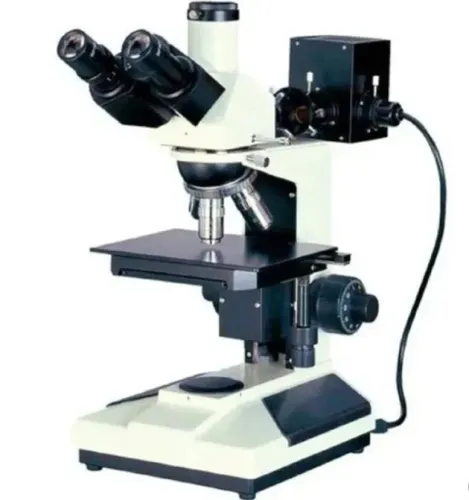
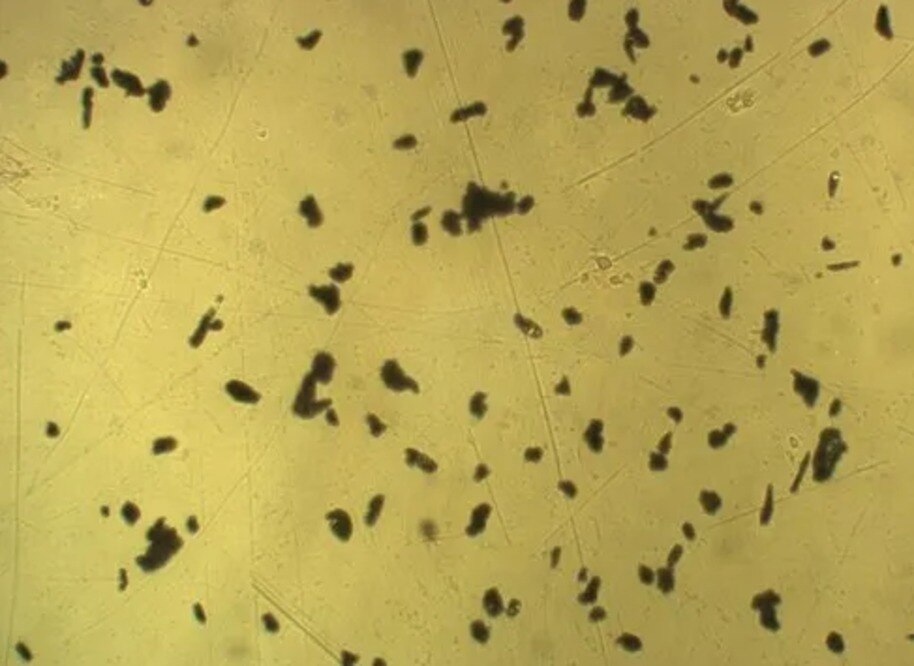
5. Measure the membrane using the production settings for focus, illumination, magnification, threshold file, and size classes. Retain the filter image or particle record, not only the final count.
Optical sizing reports an equivalent optical size affected by shape, colour, refractive index, and illumination. Image analysis can classify morphology but miss transparent or low-contrast particles. Do not substitute either method without correlation data. These records make the recovery sequence auditable from component preparation through reported result.
What recovery calculation, acceptance rule, and records should you use?
1. Calculate recovery against the known spike after blank correction: recovery percentage = 100 × (measured spiked result − blank result) ÷ expected spike result. Apply it separately to every required particle-size class, or to the defined total when the method specifies a total.
State whether the result uses particle count, mass, or another approved measurand.
2. Do not invent an acceptance band. Take the recovery range from your validated method, customer specification, or approved ISO 16232 or VDA 19.1 procedure; the standard edition and laboratory validation determine the applicable criterion. Set an alert limit below the failure limit, so a downward trend starts an investigation before recovery fails.
3. Run the check at commissioning, after relocation, repair, changed extraction parameters, or replacement of filters or tubing. Set the periodic interval by throughput and contamination burden, shortening it for high sample loads, oily or abrasive residues, frequent solvent use, or operation near maximum particle loading. Include this schedule in your DeXel-Filtrate II support plan.
4. Record the component identification, test-fluid batch, filter identification, analyzer serial number, software version, blank, spike and recovery values, operator, date, method revision, acceptance decision, and corrective-action number. Repeat the check after correction, and link the as-found result to the as-left result so the recovery decision remains traceable.
How do you separate poor extraction from an analyzer fault?
Separate extraction from analyzer failure with branch testing, not by replacing parts after a pass/fail suspicion.
1. Run a new blank using a fresh extraction-fluid batch, clean tubing, clean transfer tools, and a clean-filter control. A high blank implicates dirty rinsing equipment, contaminated fluid, filter handling, drying surfaces, or the work area—not automatically the analyzer.
2. If the blank is clean but spike recovery is low, check incomplete flushing, unsuitable agitation, adsorption to the component or tubing, filter loss, membrane overload, and incorrect reference preparation. Inspect filter loading: a blocked membrane slows flow and can trap or redistribute particles. Repeat at a lower concentration.
3. If only selected size channels fail, inspect optical contamination, focus, illumination uniformity, detector linearity, threshold-file corruption, and sample contrast before condemning the detector. Bubbles, vibration, poor filter positioning, the wrong recipe, and dilution-entry errors can also produce implausible counts.
4. After correction, run a blank and repeatability test on a stable reference. Verify the smallest reported size class, inspect the measurement field for focus and vignetting, and confirm that saved results remain linked to the sample and method revision.
This evidence tells you whether particle analyzer service options should target cleaning, consumables, software, optics, or detection hardware. Preserve raw records before any reset or repair.
Which recovery route should you choose in Pune?
Choose the least disruptive route that restores evidence for the whole measurement chain, not merely a passing particle count.
| Option | Use it when | Main control |
|---|---|---|
| Operator cleaning and approved consumables | Blank, filter, tubing, or handling fault is confirmed | Repeat blank and recovery check |
| Software, recipe, or database recovery | Configuration or threshold-file fault is identified | Preserve the original database first |
| Qualified calibration or verification | Instrument is stable but needs documented confirmation | Record traceability and as-found/as-left results |
| Component repair | Camera, detector, stage, pump, optics, or illumination has failed | Correlate the method after repair |
| Factory return or replacement | Hardware is obsolete, parts are unavailable, failures repeat, or repair is uneconomical | Compare continuity, not purchase price |
For cleanliness testing equipment maintenance in Pune, ask whether the provider supports the actual Dexel Filtrate II model and serial number, software and operating-system version, camera or detector, optics, stage, illumination, approved reference artefacts, and post-repair method correlation. Conation Technologies Pvt.
Ltd. is one local supplier to question about that complete scope, rather than a generic particle-counter certificate.
Request a quotation with separate exclusions for lamps, cameras, pumps, filters, computers, licences, travel, calibration standards, and requalification. Compare particle analyzer service options by downtime, transport risk, loaner availability, reinstallation, and responsibility for correlation across on-site work, regional shipment, and manufacturer return.
If considering replacement, compare particle-size equivalence, preparation compatibility, reporting output, historical-data migration, training, validation effort, and method continuity. That is the practical test for cleanliness particle analyzer recovery in Pune—not the lowest repair price.
Related products
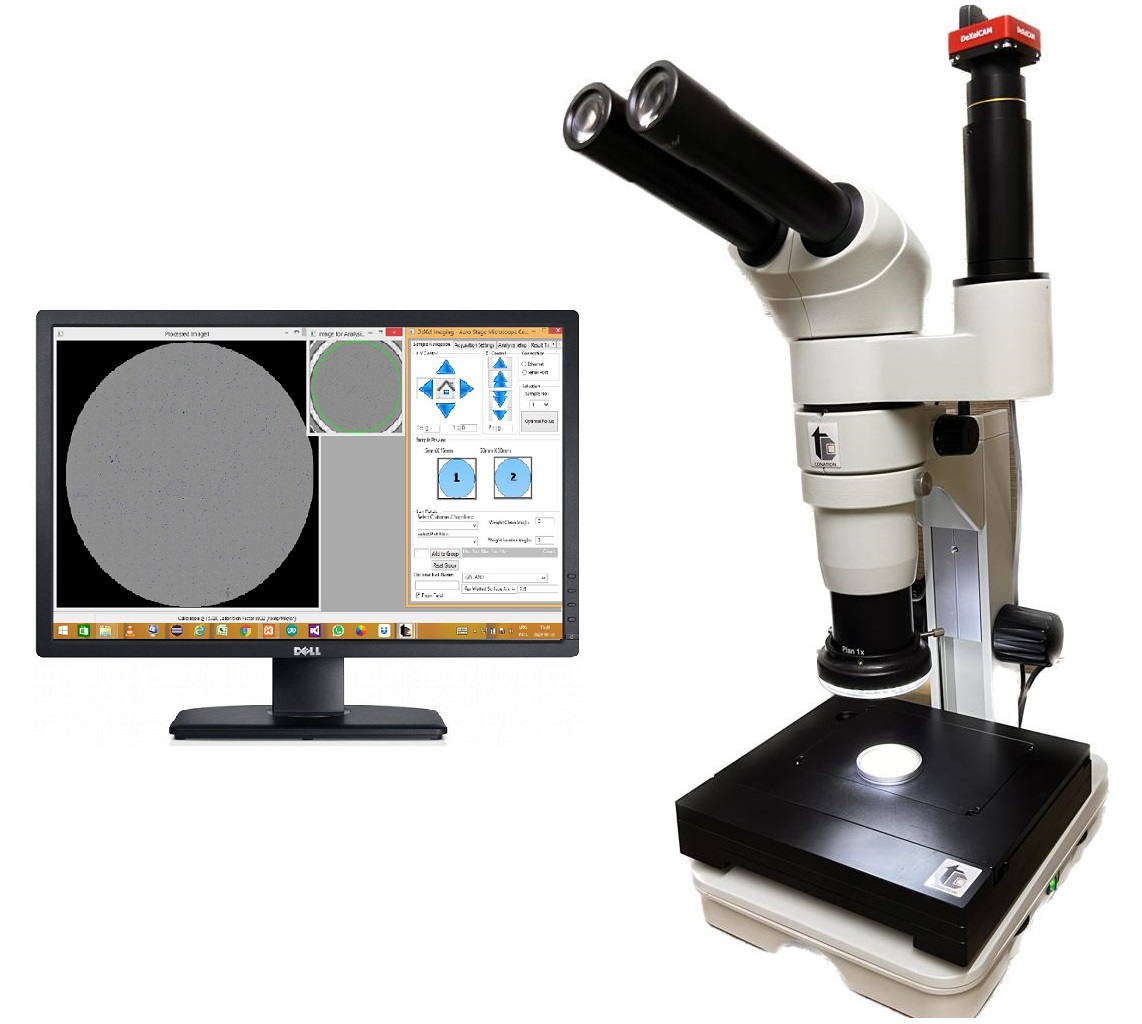 | Cleanliness Particle Analyzers Critical components going into fluid or air circuitry, engine components and some trasmission assemblies are need to free from particle contamination... View product → |
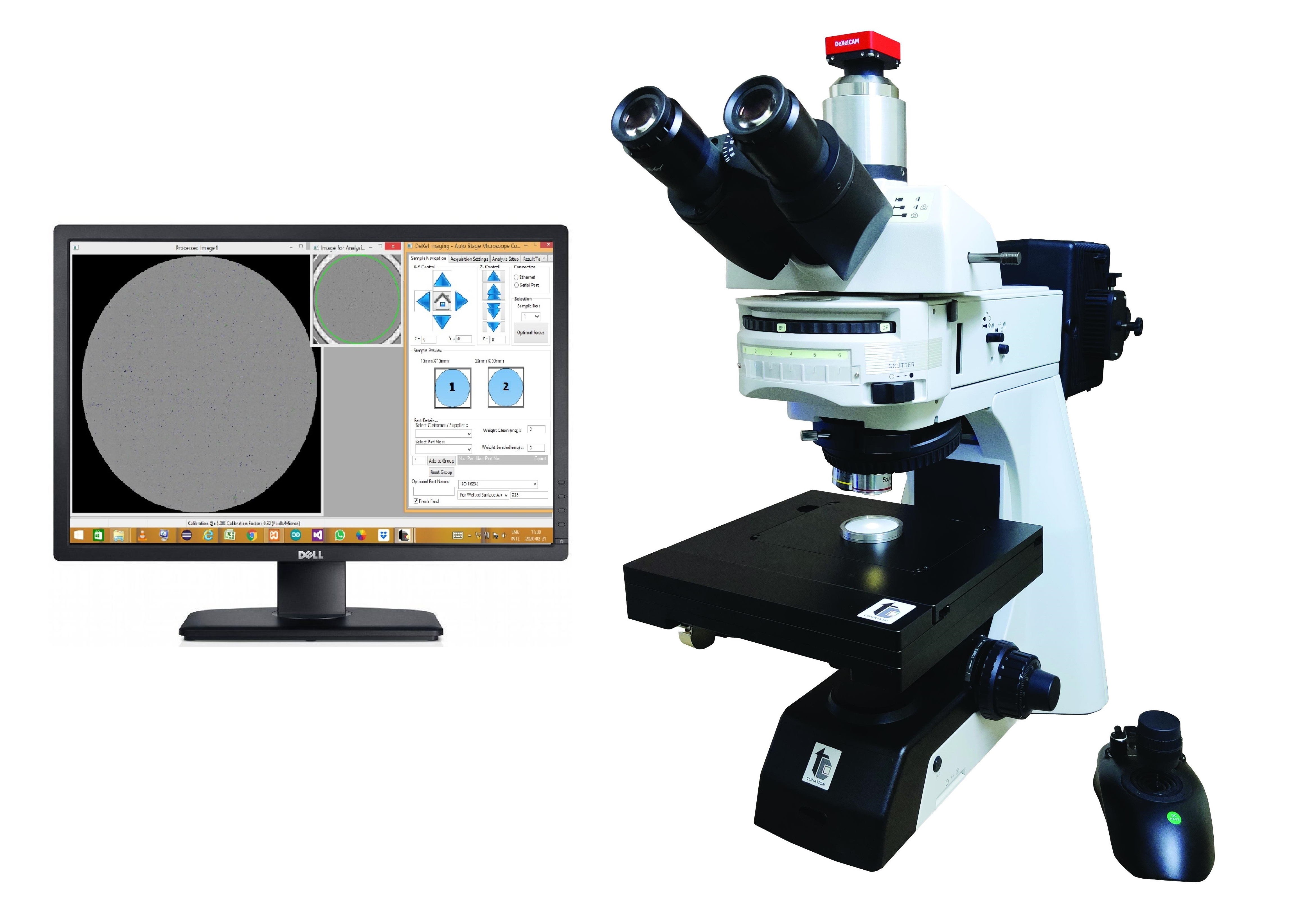 | Cleanliness Particle Analyzers DXel-Filtrate Optical IV; Automatic Particle Analysis System Critical components going into fluid or air circuitry, engine components and some trasmission assemblies are need to free from particle contamination... View product → |
Frequently asked questions
What must recovery prove before you blame the analyzer?
Recovery must assess the complete cleanliness method, including extraction, filtration, particle transfer, counting, and reporting. Preserve the failed dataset and instrument records before resetting software or deleting data.
How do you run a defensible recovery check on DeXel-Filtrate II?
Use a documented challenge with a known particle load, record sample volume and dilution, verify the extraction-fluid batch and blank, then process the challenge through the normal DeXel-Filtrate II method.
What recovery calculation, acceptance rule, and records should you use?
Calculate recovered particle count divided by the introduced particle count, multiplied by 100. Define the acceptance range before testing and record the challenge identity, volumes, filter, blank, instrument serial number, software version, and method revision.
How do you separate poor extraction from an analyzer fault?
Compare extraction replicates, blank results, filter handling, particle images or records, and an independent reference check. A failed extraction with a passing reference points to preparation; both failures point toward the analyzer, software, or maintenance.
Which recovery route should you choose in Pune?
Choose in-house verification for routine checks when trained staff and traceable standards are available. Use DeXel-Filtrate II support or particle analyzer service options when results remain unstable, records are incomplete, or hardware and software checks fail.
Related products
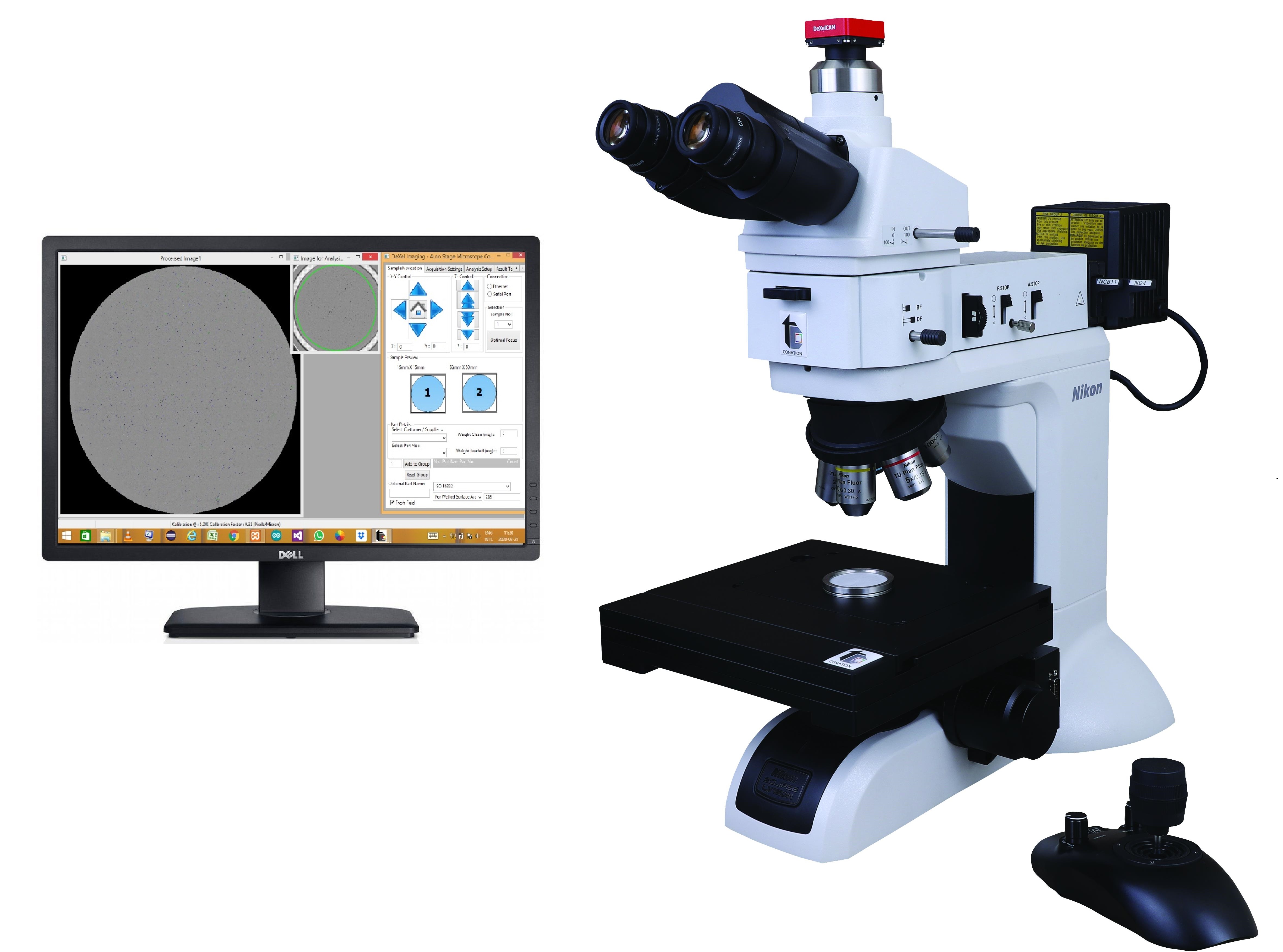 | Cleanliness Particle Analyzers DeXel-Filtrate Optical NLV; Automatic Particle Analysis System Critical components going into fluid or air circuitry, engine components and some trasmission assemblies are need to free from particle contamination... View product → |
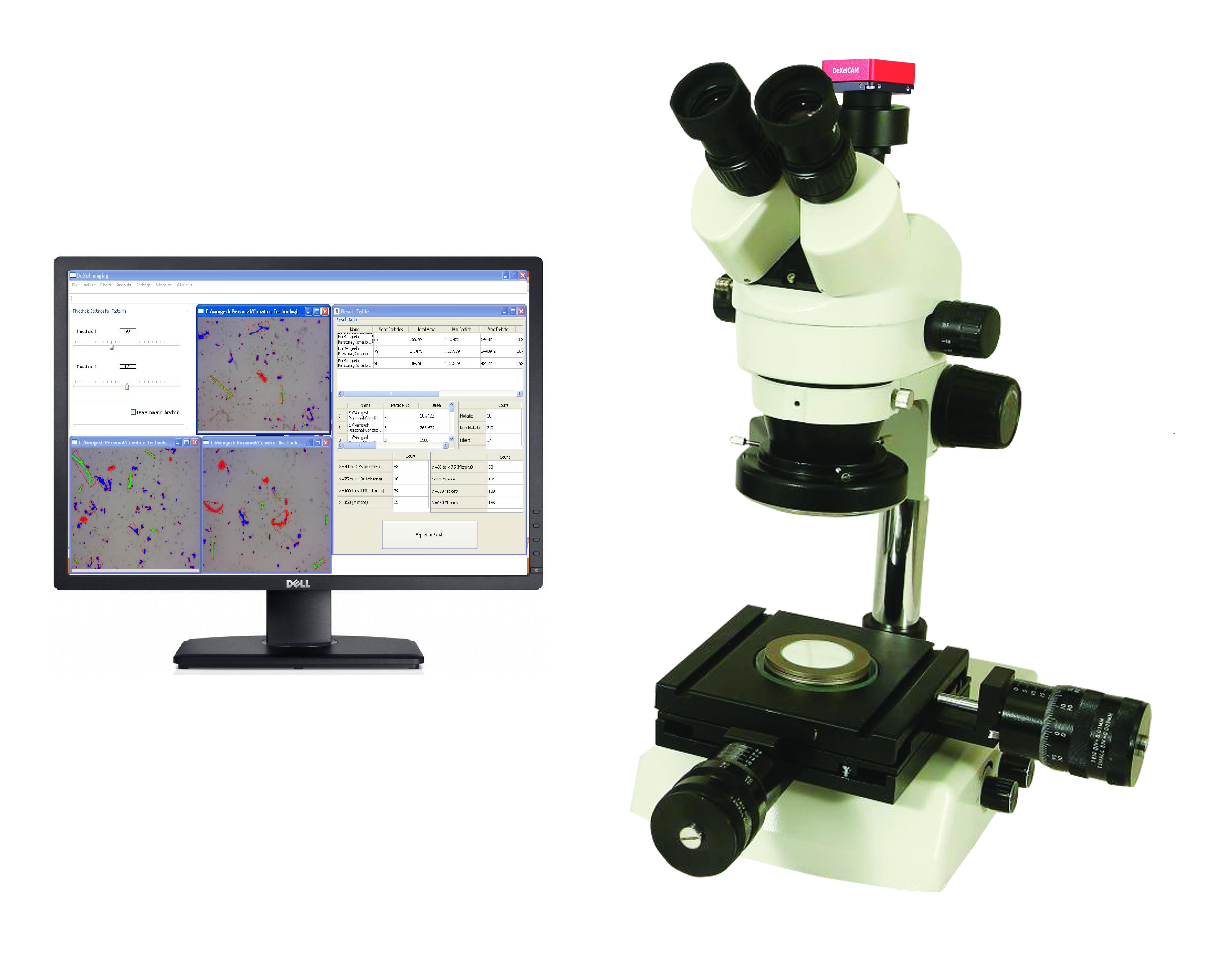 | Cleanliness Particle Analyzers Filtrate I - Semi-Automatic Particle Analyzer Critical components going into fluid or air circuitry, engine components and some trasmission assemblies are need to free from particle contamination... View product → |