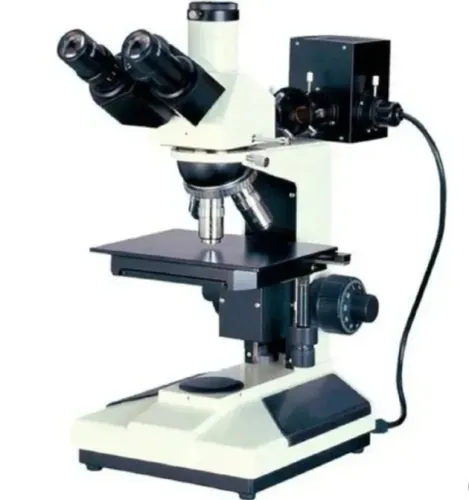

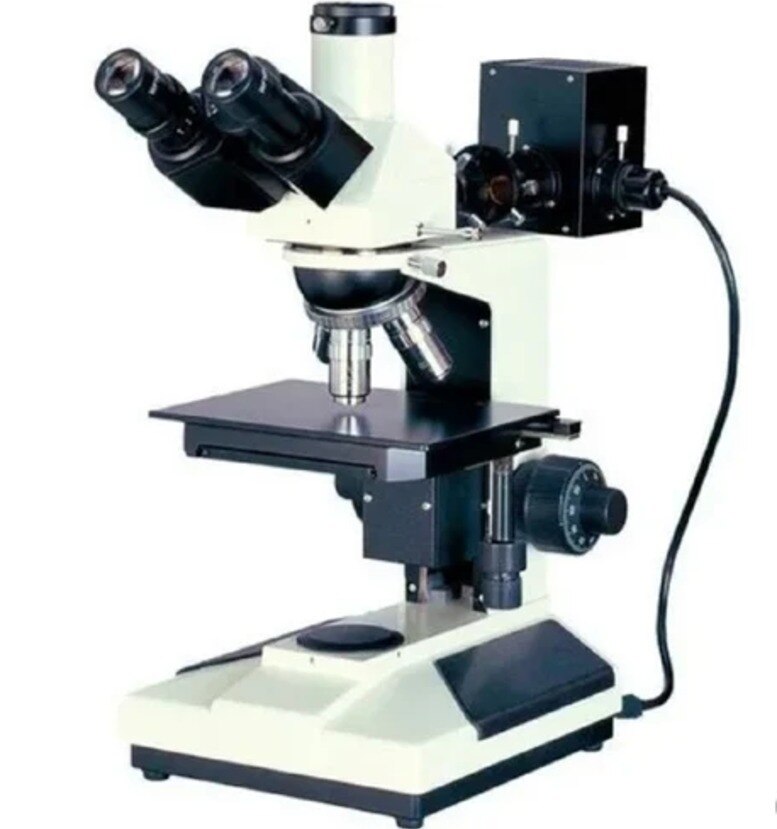
Buying a microscope by model name alone can produce a quote with different objectives, illumination, camera options and service terms from the instrument you expected. Use the supplier route, configuration checklist and demonstration tests below to request a comparable quotation and decide whether an upright or inverted system fits your specimens.
Key takeaways
- Request the exact SuXma-Met B/BD configuration in writing.
- Compare optics, illumination, stage and service line by line.
- Match upright or inverted geometry to your specimen and preparation.
- Use a demonstration to verify measurement and metallographic performance.
Start with a written request for the exact SuXma-Met B/BD configuration
Begin by contacting an authorised metallurgical microscope supplier through its official sales channel and requesting a formal quotation for the exact SuXma-Met B/BD configuration. This is the safest answer to where to buy metallurgical microscopes suxma met b bd because a model name alone does not identify what will arrive.
Ask the supplier to state each item in writing:
- Exact model revision and whether viewing is binocular or trinocular
- Objective magnifications, numerical apertures and included objective count
- Reflected-light module, stage dimensions, filters and camera port
- Camera sensor, pixel dimensions, bit depth, software and included accessories
- Illumination paths, including bright-field, dark-field, polarisation and any annuli or condensers
- Compatible objectives and every part required to switch illumination modes
- Whether the quotation includes installation, operator training, calibration and warranty coverage
Do not assume that B and BD describe binocular and trinocular versions, or that BD proves bright-field and dark-field capability. Require an accessory list or optical diagram that shows the actual paths and mode-switching components.
Ask whether the metallurgical microscope supplier will demonstrate the instrument using your polished or etched coupon. State the delivery location, then request separate prices for the equipment, GST, freight, installation, training, calibration and warranty coverage. That written breakdown prevents an ambiguous model-only quotation from becoming an expensive surprise.
Compare the quotation line by line before judging the SuXma Met B/BD price
There is no dependable universal suxma met b bd microscope price. Trinocular viewing, camera resolution, software, objective quality and number, bright-field or dark-field illumination, polarisation, differential interference contrast, motorised components, GST, freight, installation and after-sales coverage can all change the delivered cost. Request a current supplier quotation instead of trusting an online figure.
Compare each quotation line by line:
| Item | Check in the quote | Why it changes the decision |
|---|---|---|
| Optics | Objective magnifications, numerical apertures, optical correction, objective count and eyepiece field number | “1000×” alone can mean empty magnification from a powerful eyepiece and a weak objective |
| Illumination | Bright-field, dark-field, coaxial or oblique paths, filters, polarisation and DIC | Software contrast is not a dark-field optical path |
| Viewing and imaging | Binocular or trinocular head, camera port, sensor, pixel dimensions and bit depth | Camera performance affects documented measurements |
| Mechanics | Stage dimensions and travel, focusing, and motorised components | Small travel or unstable movement can limit large sections and repeatability |
| Software and service | Measurement tools, warranty period, installation, calibration, training and after-sales response | A low equipment price can become expensive after commissioning |
For measurement work, ask whether every objective receives its own retained calibration and whether the software records scale bars, field of view and measurement settings. Separate GST, freight and installation from the instrument price, then compare the delivered totals rather than the headline figure.
Choose the microscope geometry that matches your specimen and preparation
Choose an upright metallurgical microscope when you examine polished cross-sections, mounted coupons, weld sections, or routine surfaces. Its objectives sit above the specimen, so top-side access makes positioning and focusing straightforward.
An inverted microscope views upward through an opening in the stage. It is easier for large or heavy components because the part rests on a flat stage instead of being mounted or lifted beneath upright objectives.
| Geometry | Best fit | Main limitation |
|---|---|---|
| Upright | Flat coupons, mounted sections, welds, and routine surface inspection | Difficult when the component cannot present a stable, accessible polished surface |
| Inverted | Large, heavy, thick, or awkward parts that can rest flat over a stage opening | Less convenient for small mounted sections needing simple top-side handling |
Compare specimen size, weight, thickness, flatness, and access to the observation surface before choosing. An upright metallurgical microscope is the practical choice when preparation produces a stable, polished face.
For upright viewing, section the sample, mount it when needed, grind, polish, and etch according to the method. Clean and dry it before placing it on the stage. Secure it flat, select reflected bright-field illumination, focus at low magnification, and then move to higher-NA objectives.
Skip careful preparation and scratches, pull-outs, edge rounding, or contamination can look like material defects.
Decide between SuXma-Met B/BD and SuXma-Met IV by the work, not the model number
Choose B/BD for routine reflected-light inspection, a defined objective set, straightforward operator use and a controlled budget. Consider IV when research imaging demands higher objective correction, stronger image documentation, difficult contrast work or broader optical expansion.
| Configuration | Choose it when | Verify in the quotation |
|---|---|---|
| B/BD | Routine inspection and repeatable operator workflow matter most | Exact objectives, illumination modes, stage, camera port and included accessories |
| IV | Research imaging and demanding documentation justify added optical capability | Actual semi-apochromatic or apochromatic objective list, camera package and expansion options |
Do not accept “premium” as a specification. Compare numerical aperture, correction class, field coverage and the objective set you will actually use.
Ask both suppliers to demonstrate the same polished or etched specimen at the same field of view. Record focus stability, glare control, illumination uniformity, parfocality, stage repeatability and camera exposure consistency; then change objectives and confirm that the measurement calibration is recoverable.
Conation Technologies Pvt. Ltd. can be included in the request for quotation when you are sourcing metallurgical microscopes in New Delhi. Ask for the exact B/BD and IV accessory lists, a current delivered quote, demonstration availability, installation scope, calibration terms and support for the proposed camera and software.
Keep the comparison on documented configuration and service. For metallurgical microscopes in New Delhi, ask each supplier to separate equipment, GST, freight, installation, training and support rather than judging the model label alone.
Related products
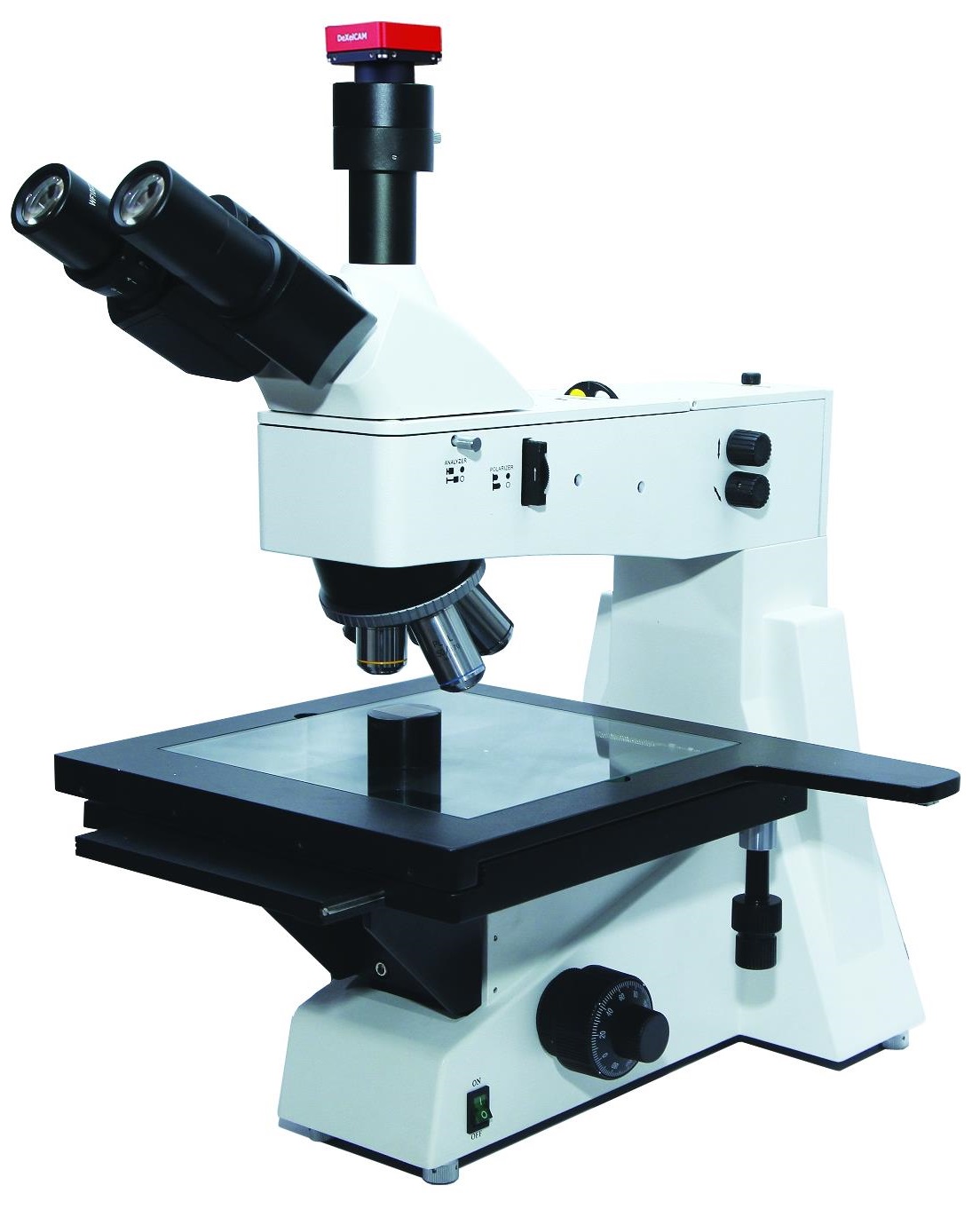 | Metallurgical Microscopes SuXma-Met B/BD; Metallurgical Upright Microscope These microscopes provides superior clarity and sharpness due its infinity optical system and high numercial aperture objectives. View product → |
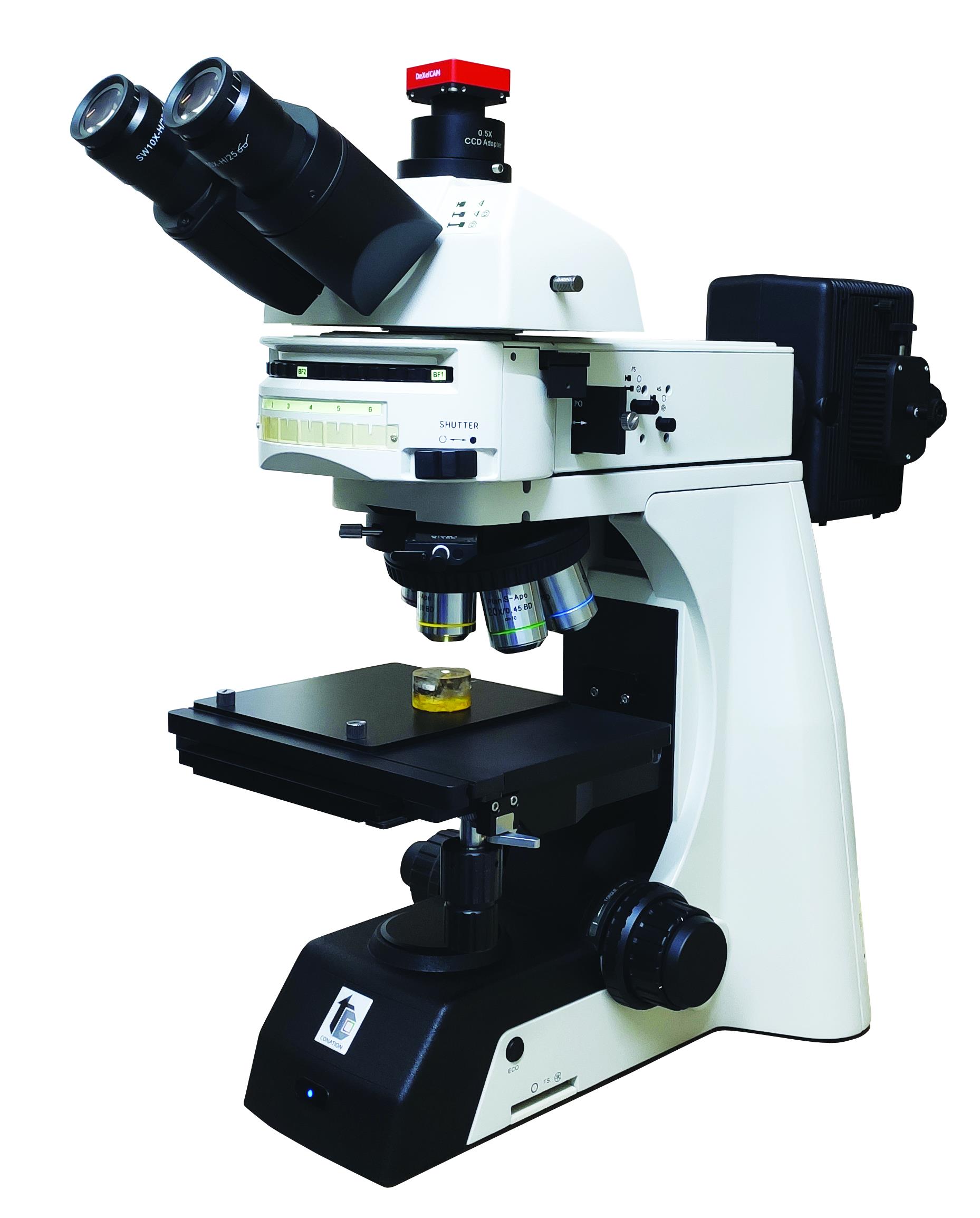 | Metallurgical Microscopes SuXma-Met IV; Metallurgical Upright Microscope SuXma – Met IV are top of the class material microscopes that incorporated semi-apochromat and Apo-chromat objectives. View product → |
Make the demonstration prove measurement and metallographic suitability
Before placing the order, make the demonstration prove that the microscope can support measurement, not merely produce attractive images. Provide your polished and etched coupon, or request a comparable specimen, and require the supplier to show:
1. Reflected-light uniformity across the field, focus stability, stage repeatability, objective parfocality, glare control and consistent camera exposure.
2. Objective changes followed by recovery of the correct calibration. The software must identify the camera, pixel dimensions, field of view and scale bar.
3. The intended method written into the purchase specification: ASTM E112 for grain size, ASTM E407 for etching practice, ASTM E45 or ISO 4967 for inclusion ratings, or ISO 16232-style particle-contamination work.
4. Method-specific support in the proposed package. A general microscope does not automatically produce compliant inclusion ratings, grain-size determinations or contamination results.
Control specimen preparation before judging optical performance. Sectioning, mounting, grinding, polishing and etching can create scratches, smearing, pull-outs, edge rounding and contamination that no microscope can remove.
For Delhi-area delivery, request written service terms for the exact configuration. Confirm response times, replacement-lamp or LED availability, spare-objective access, preventive-maintenance scope, camera and software support, and the procedure for optical-alignment or stage faults. A demonstration that omits these details proves image quality only; it does not prove dependable metallographic measurement.
Frequently asked questions
Where should you buy a SuXma Met B/BD microscope?
Contact an authorised metallurgical microscope supplier through its official sales channel and request a formal quotation for the exact configuration.
How should you compare the SuXma Met B/BD microscope price?
Compare the quotation line by line, including optics, illumination, stage, accessories, installation, warranty, training, taxes and delivery.
Which microscope geometry suits your metallographic work?
Choose an upright metallurgical microscope for accessible, flat specimens and an inverted geometry when large or heavy samples must remain on the stage.
How do SuXma-Met B/BD and SuXma-Met IV differ in practical use?
Choose between them according to specimen size, preparation workflow, observation needs and measurement tasks rather than the model number alone.
What should a microscope demonstration prove?
Ask the supplier to demonstrate measurement accuracy, reflected-light observation, image quality, stage movement and suitability for your prepared metallographic samples.
Related products
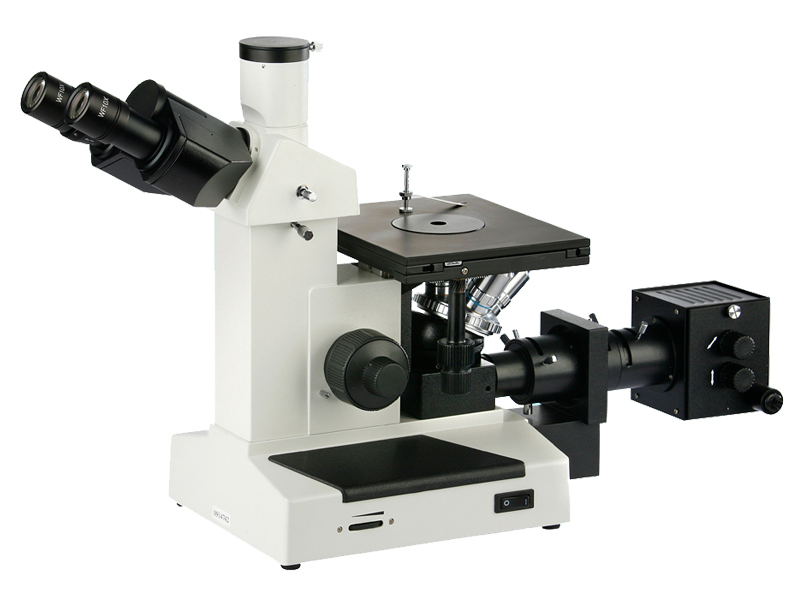 | Metallurgical Microscopes SuXma-Met I; Metallurgical Inverted Microscope Microscope with capability of 1000X magnification with plan achromatic lenses This is basic Inverted Microscope specially designed for routine... View product → |
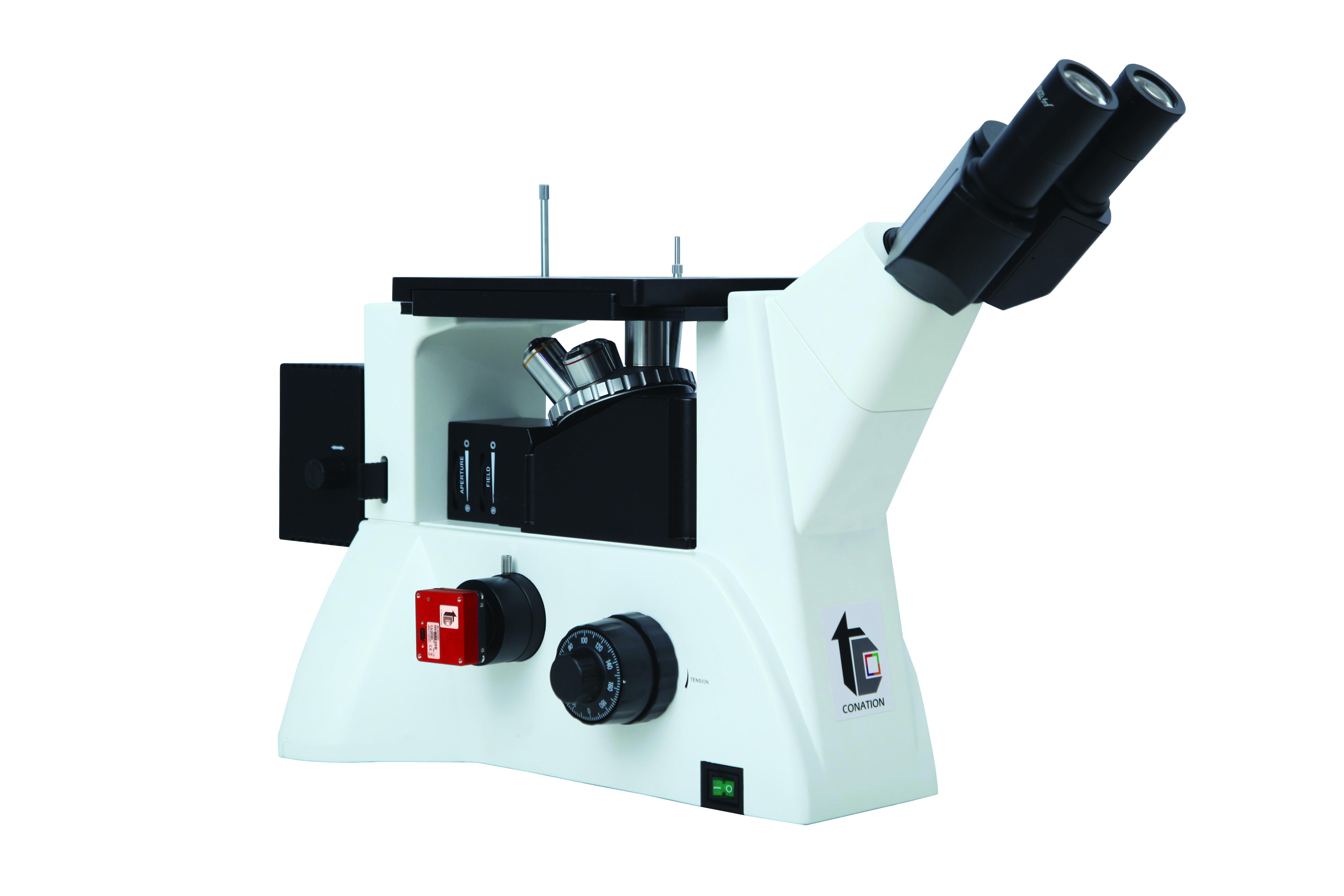 | Metallurgical Microscopes SuXma-Met IB/IBD; Metallurgical Inverted Microscope These microscopes provides superior clarity and sharpness due its infinity optical system and high numercial aperture objectives. View product → |
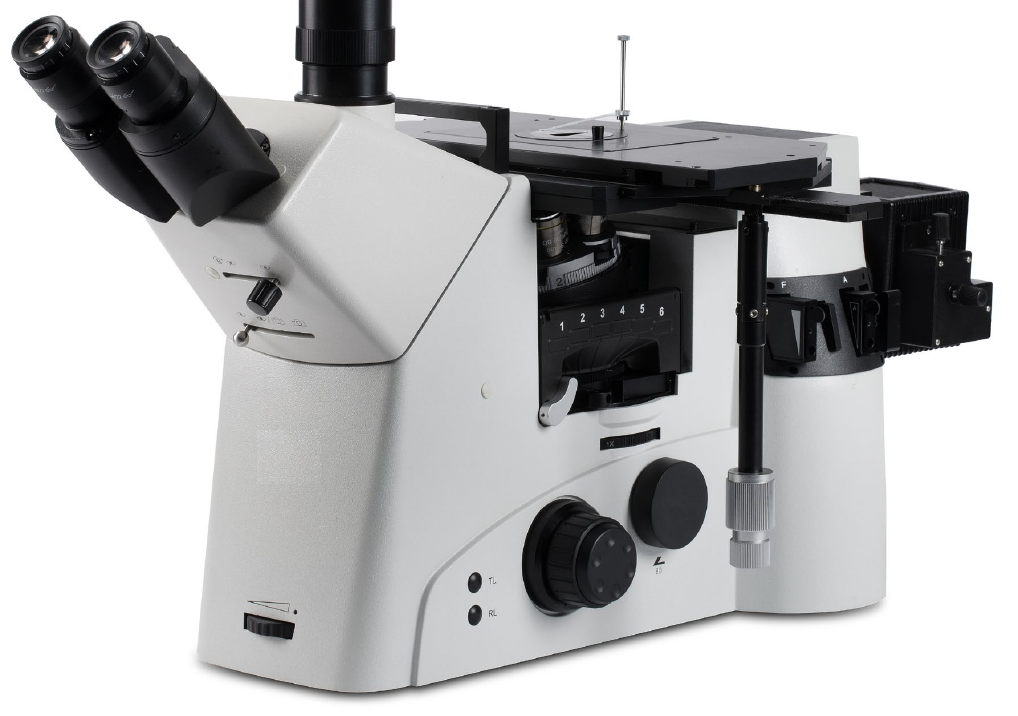 | Metallurgical Microscopes SuXma-Met I IV; Metallurgical Inverted Microscope This is top of the class material microscopes that incorporated semi-apochromat and Apo-chromat objectives. View product → |