
A Delhi laboratory cannot make this purchase from the instrument name alone: “Millipore particle analyzer” may mean a membrane-filtration and microscope workflow, while DeXel Filtrate II may represent a more automated filtrate or membrane-inspection system. By defining the test method, comparing the measurement steps, and checking validation evidence, you can select equipment that matches your component, fluid, cleanliness limit, and reporting obligation.
Key takeaways
- Confirm the measurement principle before comparing Millipore and DeXel equipment.
- Validate the full chain: extraction, filtration, imaging, counting and reporting.
- Set particle-size limits and cleanliness criteria before selecting instruments.
- Ask for a local fit assessment when samples or acceptance limits are unusual.
What the two names mean in laboratory practice
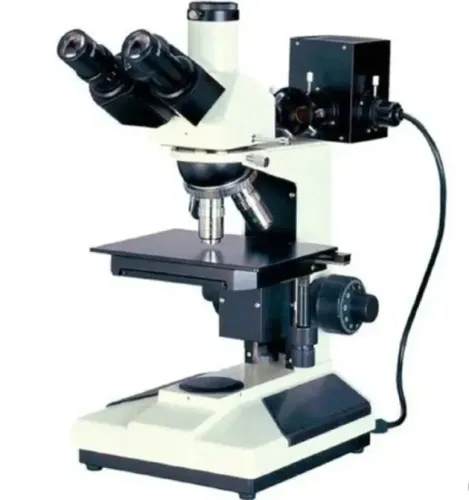
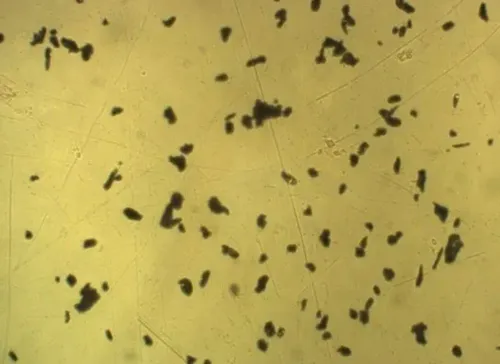
These instruments are not interchangeable. A search for a Millipore particle analyzer or DeXel Filtrate II in Delhi identifies two names, not a confirmed measurement principle. “Millipore particle analyzer” commonly means a membrane-filtration setup: filter holder, vacuum or pressure source, membrane, drying, microscope, camera and image software.
DeXel Filtrate II must be specified by its actual method—gravimetric filtration, automated membrane inspection, optical counting in the fluid, or a combination.
| Option | What it measures | What to confirm |
|---|---|---|
| Membrane filtration and microscopy | Particles collected on a membrane, then counted and sized from images | Filter material, microscope optics, segmentation rules, particle-size range and blank procedure |
| Automated optical analysis | Digitised membrane images with automatic focusing, counting and classification | Focus control, edge-particle rules, touching-particle separation, image archive and audit settings |
| Liquid particle counter | Particles detected while suspended in fluid as they pass an optical sensor | Fluid compatibility, calibration standard, concentration limits and reported size bands |
| Laser-diffraction system | Particle-size distribution inferred from light scattering | Particle dispersion, refractive-index inputs and whether results are counts or volume percentages |
A proper Millipore particle analyzer comparison therefore examines sample preparation and data treatment, not camera resolution alone. Two systems can count the same membrane differently after changing thresholding, minimum-size filters or exclusion zones.
A particle analyzer for materials laboratories must also be matched to the required method; ISO 16232 and VDA 19.1 cleanliness results are not automatically equivalent to ISO 4406 fluid codes or ISO 11171-calibrated counter results.
Compare the complete measurement chain, not the brochure label
A Millipore particle analyzer comparison is meaningful only after you map the entire chain: extraction or rinsing, filtration, membrane inspection, counting, review, and reporting. A Millipore setup is often manual or semi-automatic; DeXel Filtrate II laboratory equipment may automate more steps, but its measurement principle must be confirmed.
| Option | Extraction and membrane handling | Scanning, counting, and review | Data and report output |
|---|---|---|---|
| Manual Millipore setup | Operator rinses the component, controls volume and vacuum, loads and dries the membrane | Microscope scanning, sizing, and counting depend on operator focus, field selection, and classification | Manual worksheet or software entry; images and calculations require disciplined traceability |
| Semi-automatic Millipore workflow | Filtration remains operator-controlled; a motorised stage or guided holder improves membrane coverage | Software measures size bins, while the operator checks fibres, stains, overlaps, and edge objects | Exported counts and images, followed by operator-approved reports |
| Automatic Filtrate II-type system | Programmable volume, pressure or vacuum, membrane handling, and filter-area utilisation reduce variation | Autofocus and segmentation speed counting; image review must expose scratches, bubbles, fibres, and touching particles | Size-bin results, archived images, audit parameters, and generated reports |
Ask whether the system supports your fluid, membrane, particle-size range, and required recovery. Request raw and annotated images, threshold and separation rules, minimum-size filters, exclusion zones, CSV export, and a report template before purchase. Automation saves labour but can hide segmentation errors; manual inspection preserves morphology for microscopy or SEM/EDS.
Build a defensible component-cleanliness test
A defensible component-cleanliness result comes from controlling the whole extraction-to-report chain, not from choosing the flashier detector. Use ISO 16232 and VDA 19.1 as the method framework, then write the customer’s acceptance limit, particle-material categories, fibre rule, and size bins into the test plan.
1. Record component identity, mass or surface area, extraction fluid, temperature, volume, contact time, and rinsing energy. Keep the same agitation, pressure, flow, and collection vessel for every test.
2. Filter the complete extract through a specified membrane: material, pore rating, diameter, and usable area. Dry it in a covered, particle-controlled environment before inspection; handling a wet membrane changes contrast and can move particles.
3. Run a fluid-and-equipment blank before samples and apply its defined correction, or reject the run when it exceeds the blank limit. Check recovery with a reference suspension or laboratory control sample at agreed particle sizes.
4. Count and classify particles using calibrated optics, segmentation settings, and separate rules for metallic particles, non-metallic particles, and fibres. Retain images for borderline calls and report the agreed size bins.
5. Repeat the control and selected samples to establish repeatability, with predefined tolerances for count and reported size. Archive raw images, settings, operator, membrane lot, fluid lot, instrument ID, calibration status, and report revision as traceable records.
This is the practical Millipore particle analyzer comparison: a membrane workflow becomes comparable with an automated system only when extraction, recovery, sizing, and records match. A particle analyzer for materials laboratories must preserve those controls rather than hide segmentation errors behind automation.
Specify the instrument against your sample, limit, and laboratory conditions
Choose the method by the smallest particle limit, sample geometry, and decision you must defend—not by the name “Millipore particle analyzer or Dexel Filtrate II in Delhi.” Confirm whether DeXel Filtrate II performs filtration, fluid-phase optical counting, automated membrane inspection, or a combination.
A “particle analyzer for materials laboratories” must also state its validated fluid types, sample types, and particle-size range.
1. Demonstrate extraction of oil, water, solvent, and the actual component material. Test blind holes, channels, porous parts, fibres, and irregular surfaces; record extraction volume, rinsing energy, membrane type, and drying method.
2. Specify the cleanliness class and limit: ISO 16232 or VDA 19.1 component cleanliness, not ISO 4406 hydraulic-fluid codes unless that is your requirement. Ask how overlapping, transparent, reflective, chemically attacked, and fibre particles are classified.
3. Compare optics, magnification, scan area, size bins, morphology review, particle-material identification, image storage, data export, and report generation. Confirm whether ambiguous particles remain available for microscopy or SEM/EDS.
4. Check 230 V, 50 Hz compatibility, UPS or voltage protection, air-conditioning, humidity limits, vibration isolation, dust control, bench space, and extraction utilities. Price membranes, filters, solvents, lamps, software, calibration, training, and local service under “Dexel Filtrate II laboratory equipment.”
5. Make acceptance depend on a reference suspension or control sample: repeated runs, blank limit, agreed preparation, size bins, count tolerance, and particle-size tolerance. Power-on and image production are not acceptance evidence.
| Option | Strength | Check before purchase |
|---|---|---|
| Millipore workflow | Flexible, preserves particles | Operator time and repeatability |
| Filtrate II-type automation | Throughput and consistency | Validated sample range and classifications |
When a local fit assessment is more useful than a brand comparison
A local fit assessment is more useful when the required method, sample fluid, or particle-size range does not match DeXel-Filtrate II. Treat “Millipore particle analyzer or DeXel Filtrate II in Delhi” as a starting search, not proof that two setups measure the same thing.
1. Ask the supplier to identify the measurement principle: gravimetric filtration, in-fluid optical counting, automated membrane inspection, or a combination. Reject the system if it cannot support your extraction fluid, component geometry, particle-size range, or ISO 16232 or VDA 19.1 procedure.
2. Run identical samples through the proposed DeXel-Filtrate II(P) and your reference method. Record extraction volume, filtration pressure or vacuum, membrane, drying conditions, filter-area use, focus settings, segmentation rules, edge exclusions, size bins, recovery, and blank results.
3. Document limitations as exclusions, not footnotes: “not validated below X μm,” “solvent compatibility unconfirmed,” or “image archive unavailable.” Retain raw images, audit parameters, calibration evidence, rejected particles, and the reason for every manual correction.
4. Specify Delhi operating conditions in the purchase record: 230 V, 50 Hz supply, UPS or voltage protection, air-conditioning and humidity limits, vibration and dust controls, one-year consumables, calibration service, installation, training, and response arrangements.
Conation Technologies Pvt. Ltd. can help a Delhi laboratory assess DeXel-Filtrate II laboratory equipment alongside related optical systems, a contamination test cabinet, installation, training, consumables, and local support without claiming equivalence or superiority before the evidence is recorded.
Related products
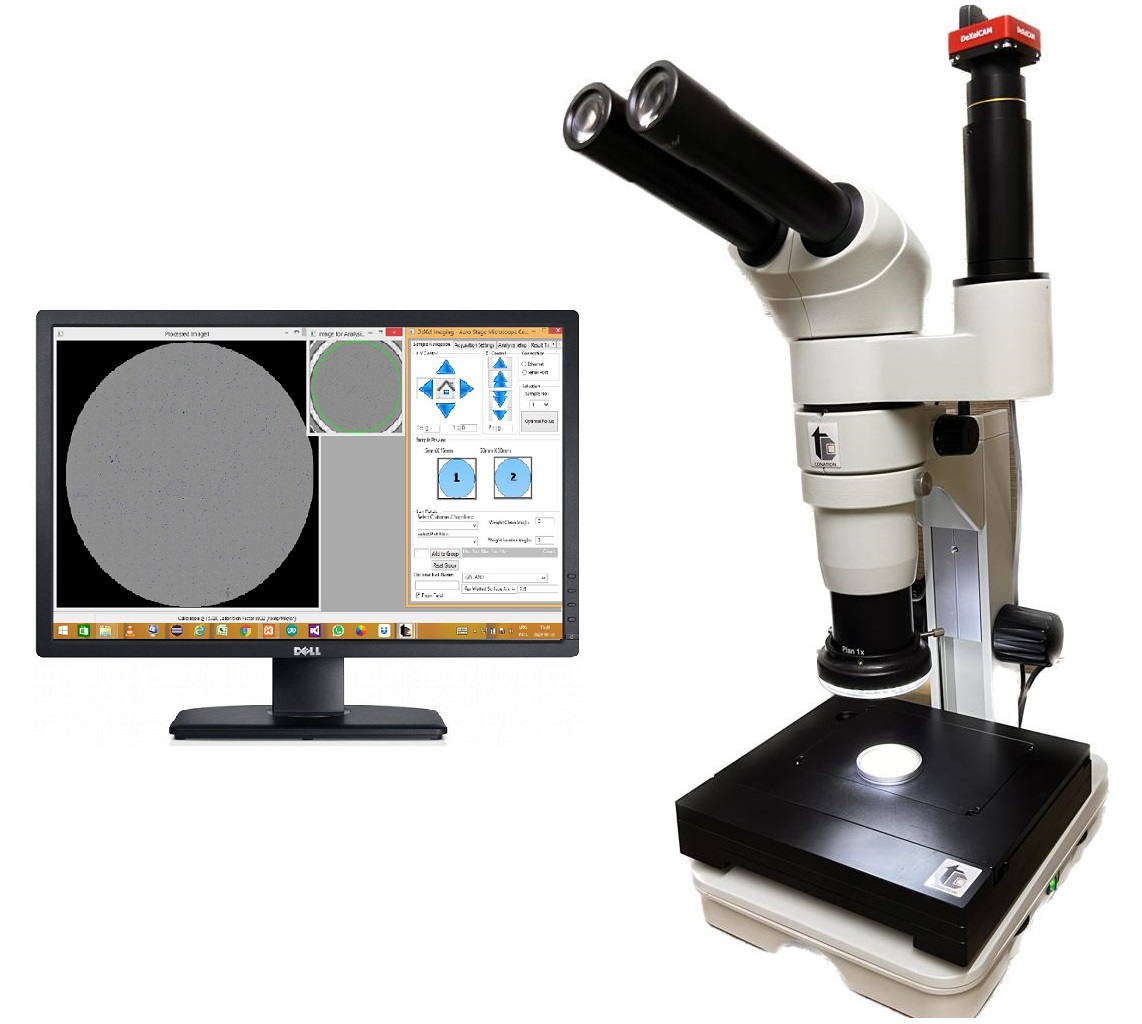 | Cleanliness Particle Analyzers Critical components going into fluid or air circuitry, engine components and some trasmission assemblies are need to free from particle contamination... View product → |
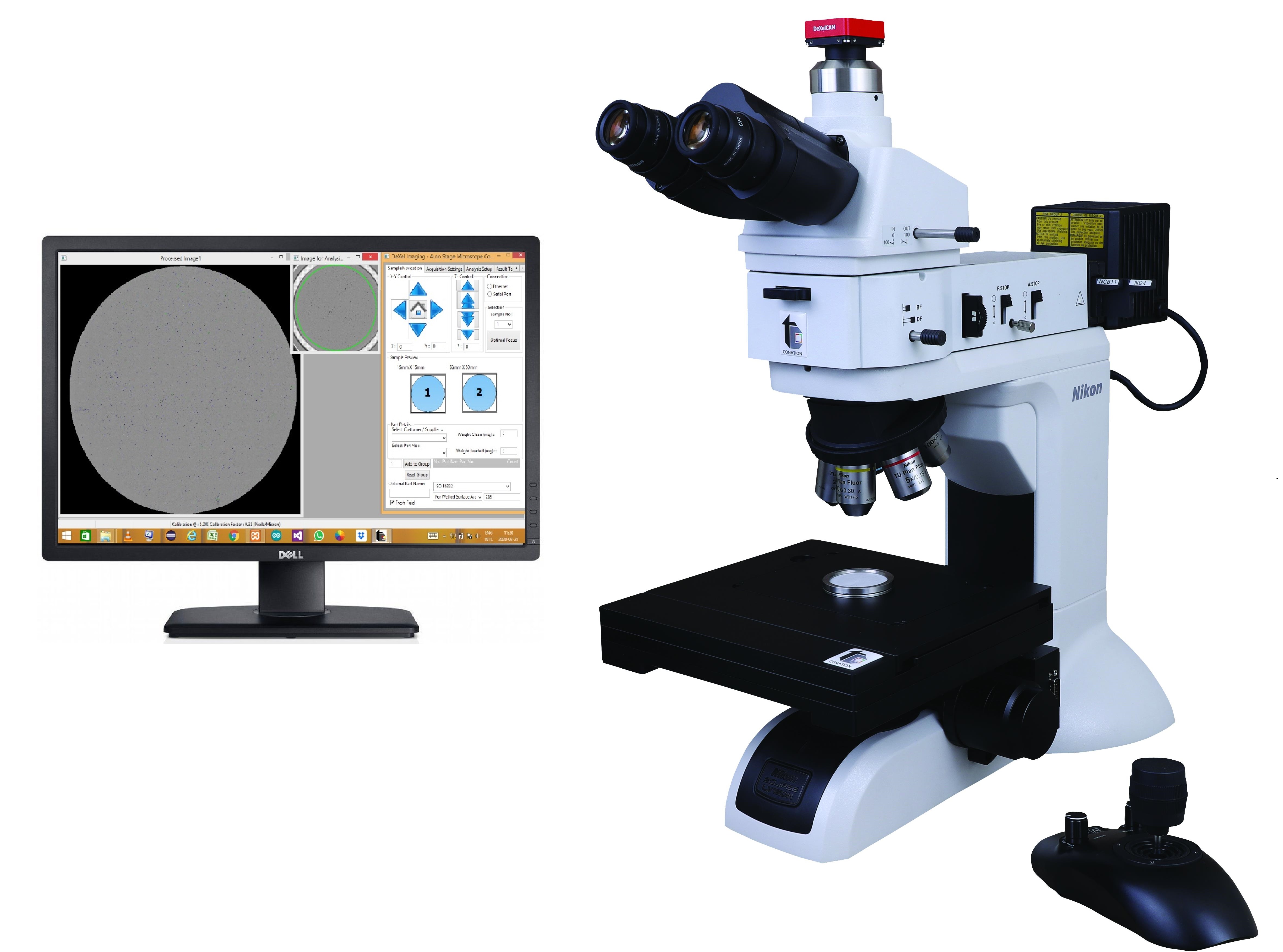 | Cleanliness Particle Analyzers DeXel-Filtrate Optical NLV; Automatic Particle Analysis System Critical components going into fluid or air circuitry, engine components and some trasmission assemblies are need to free from particle contamination... View product → |
Frequently asked questions
What does “Millipore particle analyzer” mean in laboratory practice?
It commonly refers to a membrane-filtration setup that includes a filter holder, vacuum or pressure source, membrane, drying process, microscope, camera and image-analysis software.
Why should you compare the complete measurement chain?
The result depends on more than the instrument label. Sample extraction, filtration, membrane choice, drying, imaging, counting rules and reporting all affect particle measurements.
How do you build a defensible component-cleanliness test?
Define the sample, extraction method, membrane and pore size, particle-size limits, contamination controls, counting method, image records and reporting format before routine testing.
When is a local fit assessment better than a brand comparison?
Use a fit assessment when your samples, cleanliness limits, laboratory conditions or reporting needs do not match a standard configuration. It lets you evaluate the complete workflow rather than choosing by brand name.
Related products
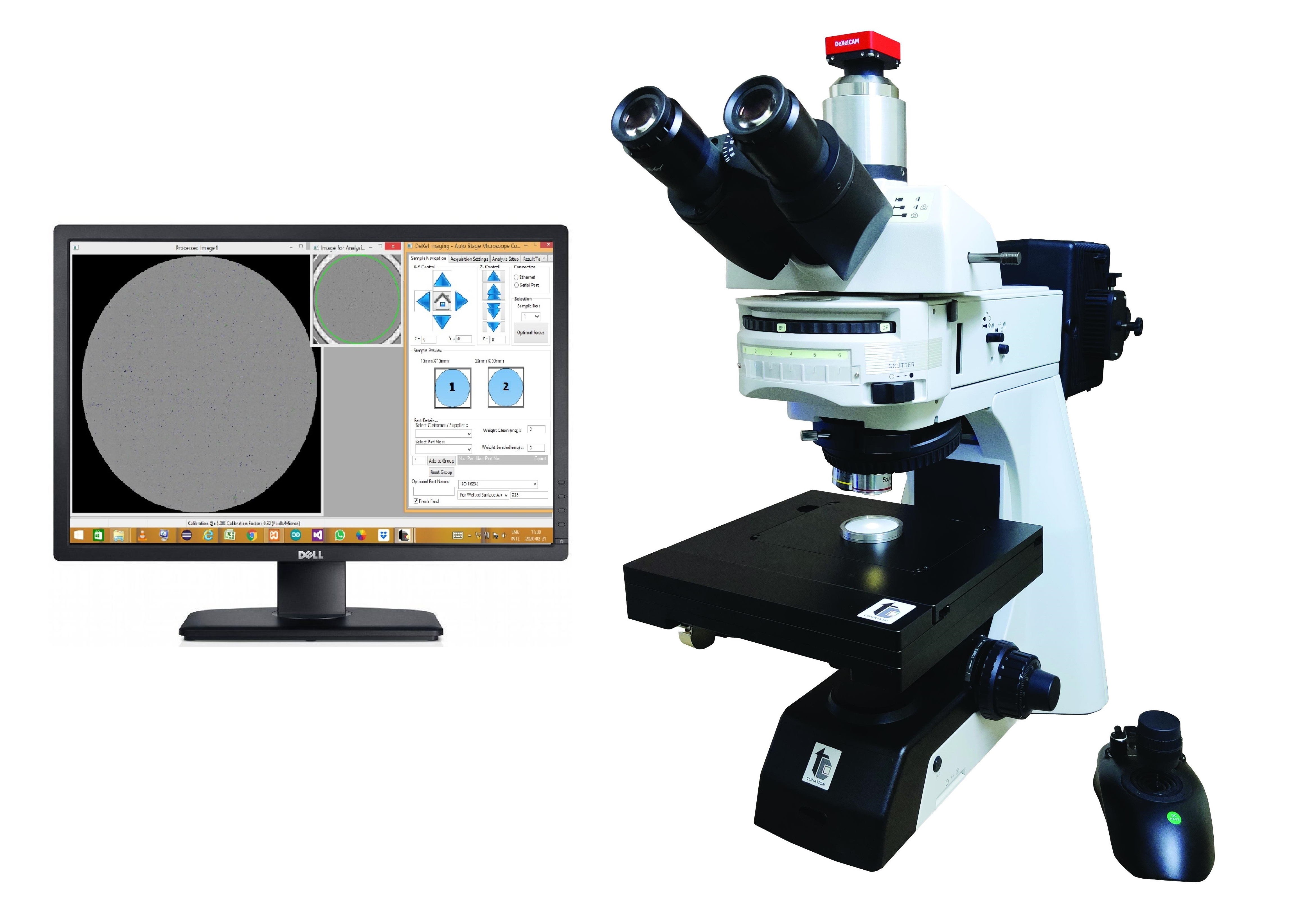 | Cleanliness Particle Analyzers DXel-Filtrate Optical IV; Automatic Particle Analysis System Critical components going into fluid or air circuitry, engine components and some trasmission assemblies are need to free from particle contamination... View product → |
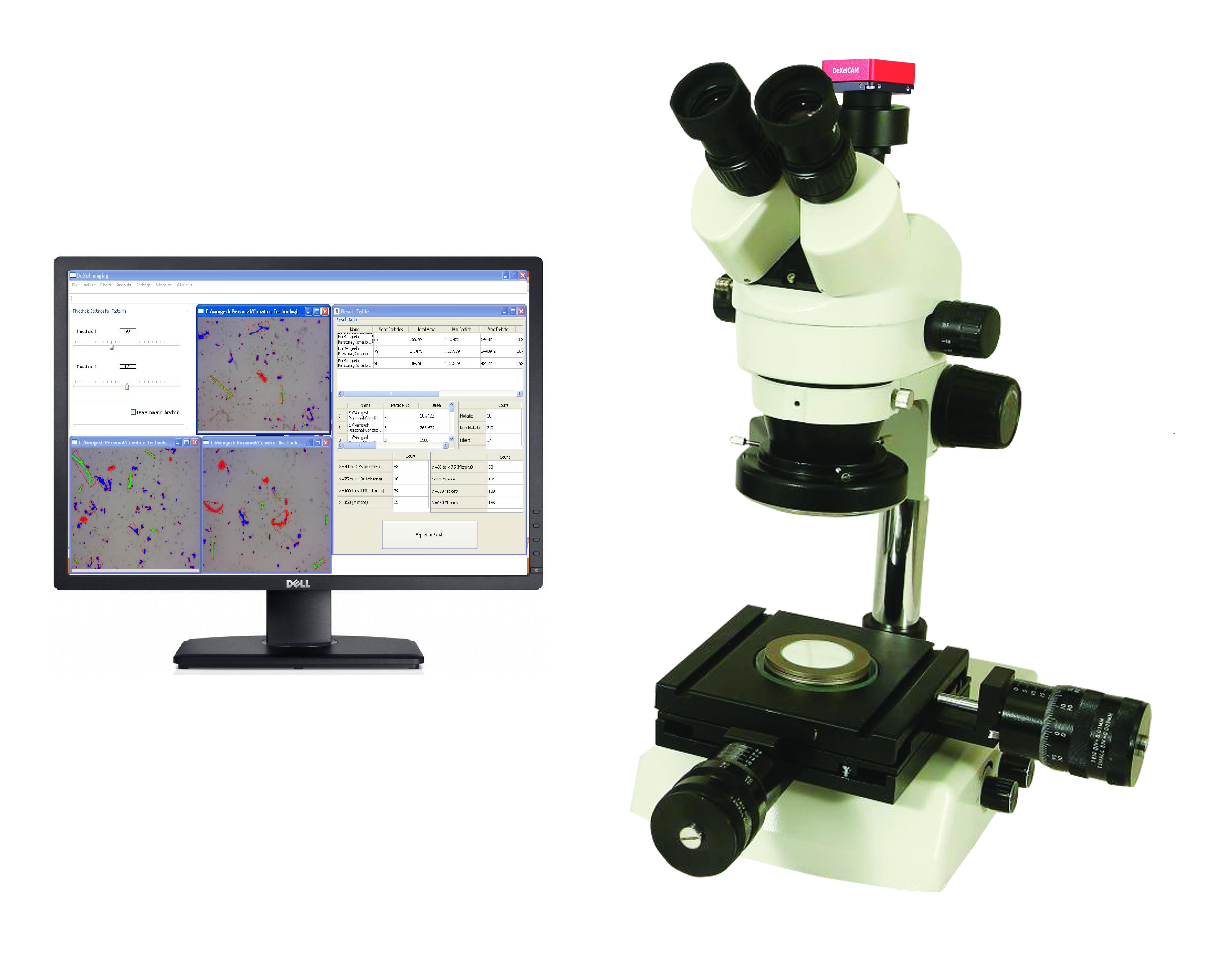 | Cleanliness Particle Analyzers Filtrate I - Semi-Automatic Particle Analyzer Critical components going into fluid or air circuitry, engine components and some trasmission assemblies are need to free from particle contamination... View product → |