
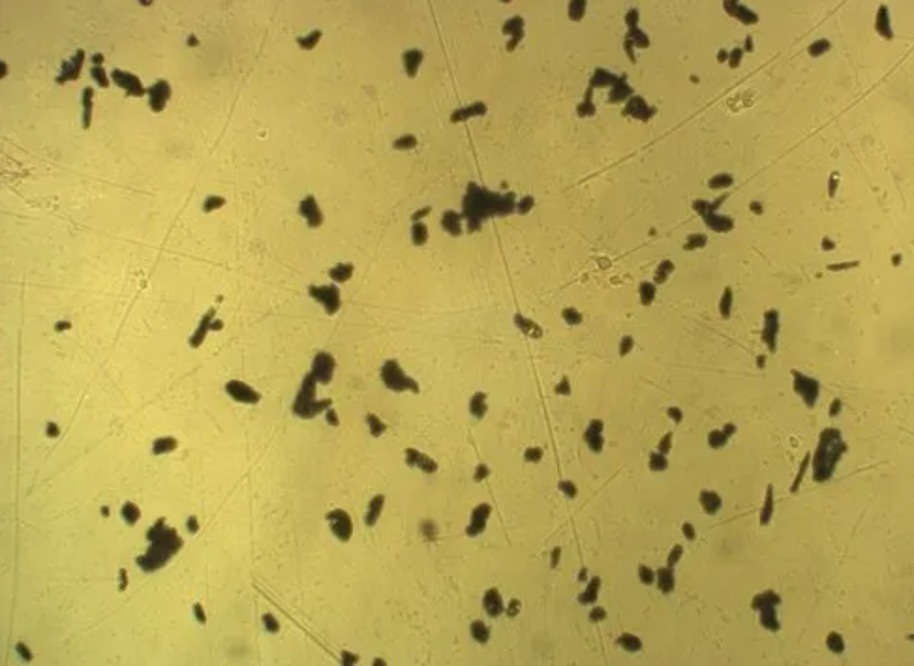
A manufacturer introducing routine component cleanliness testing needs more than a system capable of displaying particles on a screen. A Millipore Particle Analyzer should support repeatable detection, measurement, classification, review, and reporting based on the laboratory's actual cleanliness requirements.
For automotive suppliers, hydraulic component manufacturers, precision engineering companies, and testing laboratories in New Delhi, equipment selection should start with the samples being tested.
First, identify the typical components and contamination levels. A lightly contaminated precision component presents a different analysis challenge from a filter containing numerous machining particles. The analyzer should handle the expected range without creating excessive manual work.
Next, define what information the quality team actually needs. Requirements may include particle counts, maximum dimensions, size classes, fibres, images, or other classifications. Purchasing functionality that does not contribute to the required report adds complexity without necessarily improving testing.
Analysis speed becomes important when testing volume increases. Ask how long the complete workflow takes from placing a membrane on the system to producing a reviewed report. This gives a more realistic understanding of throughput than scanning speed alone.
Software should allow operators to review detected particles. Automated classification is useful, but unusual shapes, overlapping particles, fibres, or membrane artefacts may require human verification.
Before finalizing a system, consider:
Supported membrane dimensions
Required measurement range
Optical resolution
Particle detection capability
Classification options
Fibre handling
Analysis time
Manual review tools
Data storage
Report configuration
Method management
Calibration
Operator training
Technical support
The extraction process must also be considered. The analyzer measures what has been collected on the membrane. Inconsistent extraction or poor membrane handling can undermine otherwise accurate measurement.
A useful equipment demonstration should therefore involve representative filters rather than only prepared demonstration samples supplied with the system. Actual membranes allow users to see how the equipment handles their typical contamination density and particle characteristics.
Reporting deserves particular attention for companies supplying automotive or engineering customers. Quality teams may need to provide standardized records internally or externally. The ability to produce clear, repeatable documentation can reduce manual reporting work.
Manufacturing companies in New Delhi also operate within a wider NCR supply chain extending across Haryana and Uttar Pradesh. A laboratory may therefore need to evaluate components from several production sites or suppliers. Flexible method management can help maintain consistent analysis across these samples.
Conation Technologies Pvt. Ltd. provides industrial cleanliness and laboratory analysis solutions. When evaluating a system, manufacturers should discuss their test components, cleanliness specifications, expected throughput, reporting requirements, and applicable standards.
The best buying decision is based on real testing conditions. A system that measures actual production samples efficiently and produces usable reports is likely to deliver greater value than one selected primarily through feature comparison.