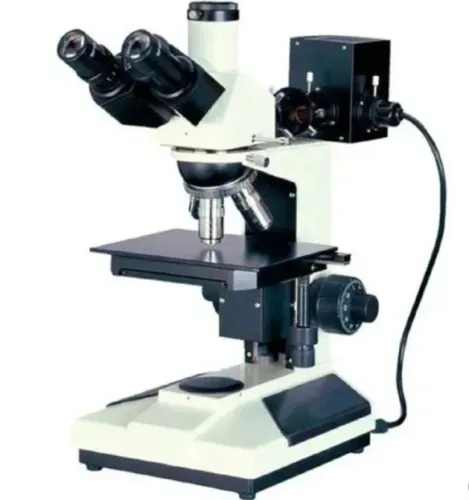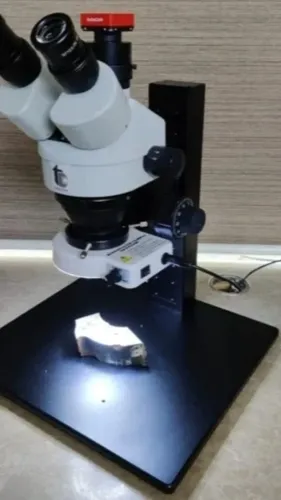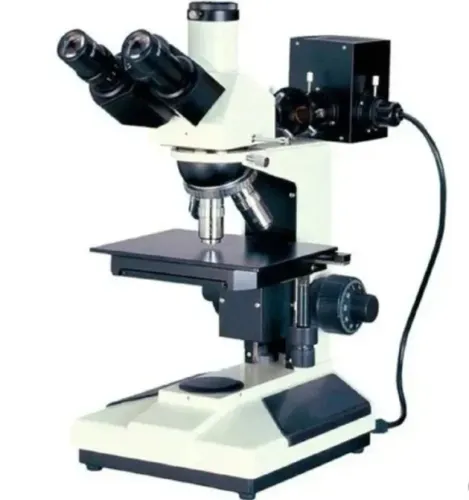

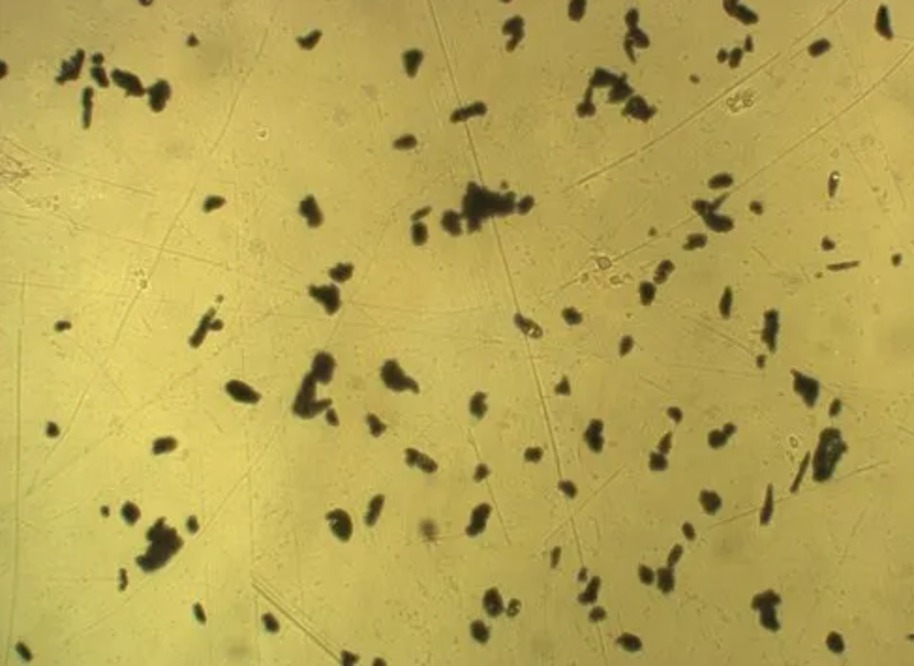
When component cleanliness becomes a regular quality requirement, manual inspection can place considerable pressure on laboratory resources. A Cleanliness Analyzer can help automate particle detection, measurement, classification, and documentation, but selecting the right system requires careful evaluation of the complete testing requirement.
Manufacturers and laboratories in New Delhi should begin with their components rather than with equipment specifications. Automotive parts, hydraulic components, machined housings, precision assemblies, and other products can have very different cleanliness requirements.
The first consideration is the type of contamination expected. Some laboratories may primarily encounter metallic particles, while others may also need to evaluate non-metallic particles and fibres. The expected size range can influence the optical and analysis configuration required.
Testing volume is equally important. A laboratory analyzing a few investigative samples each month has different needs from a production facility processing multiple filters every day. Higher throughput can make automated scanning, classification, and reporting particularly valuable.
Before selecting a system, evaluate:
Expected particle dimensions
Typical contamination density
Required particle classifications
Fibre detection requirements
Membrane sizes and types
Imaging capability
Measurement repeatability
Analysis speed
Report customization
Image and result storage
Operator usability
Calibration requirements
Software deserves as much attention as the optical hardware. A technically capable imaging system can still create workflow difficulties if routine analysis requires excessive manual intervention.
Ask how easily operators can define methods, analyze filters, review detected particles, correct classifications where necessary, and generate the required reports.
Another important factor is traceability. When cleanliness results are used for supplier approval or customer documentation, laboratories may need to retrieve previous measurements and associated images. Organized data management can therefore become an important part of the buying decision.
Sample preparation and extraction should also be considered. The analyzer evaluates the particles presented to it. If the extraction procedure is inconsistent or the membrane becomes contaminated during handling, sophisticated software cannot correct the underlying sampling problem.
For New Delhi companies serving industrial customers across Delhi, Haryana, and Uttar Pradesh, equipment flexibility may also matter. A laboratory may receive different components with varying cleanliness specifications. The system should accommodate the actual range of routine applications without making every test unnecessarily complicated.
A practical demonstration using representative membranes is one of the most useful evaluation steps. It allows the laboratory to assess image quality, particle detection, measurement workflow, classification, analysis time, and report generation under realistic conditions.
Conation Technologies Pvt. Ltd. provides cleanliness and industrial analysis solutions for manufacturing and laboratory applications. When discussing a system, users should provide information about component types, test standards, expected particle range, sample volume, and reporting requirements.
A cleanliness analyzer should ultimately reduce uncertainty, not simply automate counting. The right configuration helps laboratories convert collected contamination into consistent information that production, quality, and supplier-development teams can use.