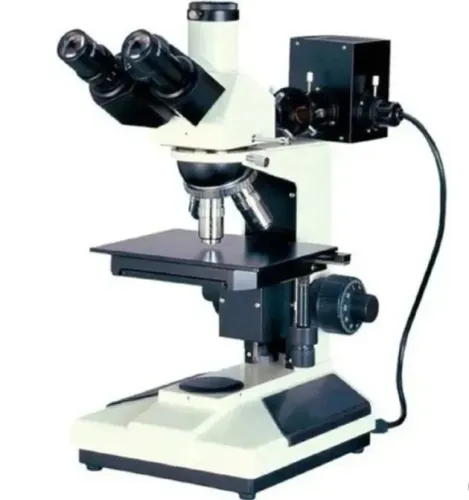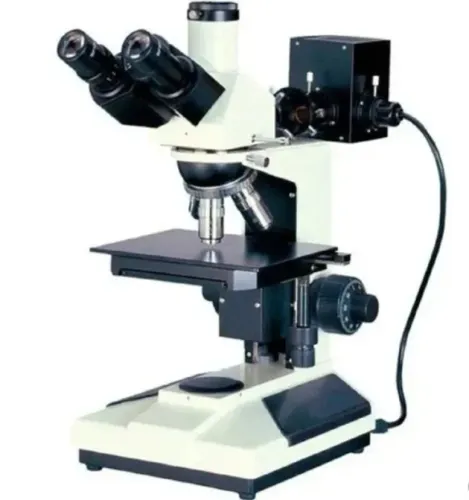

Setting up a technical-cleanliness laboratory involves much more than purchasing a microscope or particle-counting system. A reliable Millipore test requires controlled extraction, filtration, sample handling, analysis, documentation, and environmental discipline to work together.
For automotive suppliers, precision manufacturers, engineering companies, and quality laboratories in Shivajinagar, Pune, planning the complete workflow before equipment procurement can prevent avoidable problems later.
Define the Components and Cleanliness Requirements First
Begin by listing the components that will be tested.
Record their dimensions, weight, internal passages, accessible surfaces, production condition, expected contamination, and cleanliness requirements.
Also determine whether testing is driven by an internal specification, customer requirement, or recognized methodology such as ISO 16232.
Without this information, it is difficult to design an appropriate laboratory.
Plan the Contamination Extraction Process
A cleanliness test begins with extracting particles from the relevant component surfaces.
The chosen technique should suit the component geometry and test requirement. The procedure must also be repeatable so that results from different samples can be meaningfully compared.
Background contamination needs attention as well. Containers, test liquids, equipment, laboratory surfaces, and handling practices can introduce particles if cleanliness is not controlled.
Establish a Controlled Filtration Workflow
Once contamination has been extracted into a liquid, the particles need to be collected for subsequent evaluation.
Membrane filtration provides a defined surface on which the contamination can be retained.
Filter handling should minimize the possibility of introducing foreign particles after extraction. Procedures for identification, conditioning, storage, and transfer should be defined according to the laboratory method.
Select the Appropriate Analysis Capability
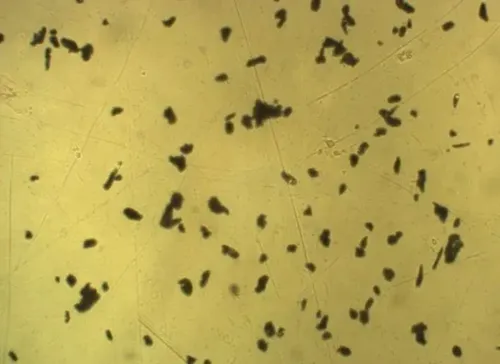
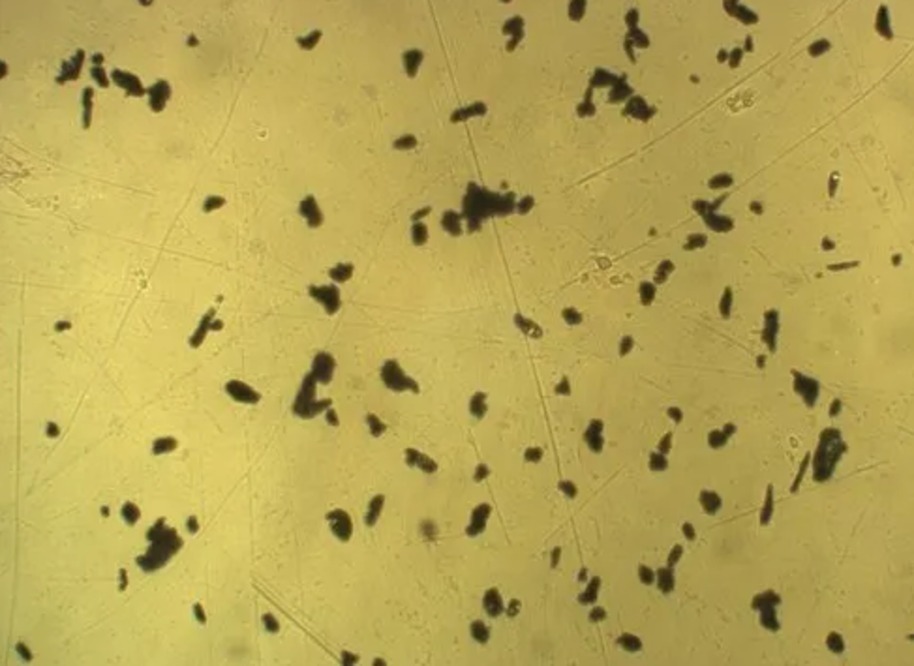
The Particle analysis test stage converts the collected contamination into measurable information.
Depending on the requirement, a particle analyzer may be used to identify, count, measure, and classify particles captured on the membrane.
Before selecting equipment, determine:
Required particle-size ranges
Expected test frequency
Relevant reporting format
Required measurement characteristics
Sample throughput
Data-storage expectations
Applicable customer or standard requirements
This prevents both insufficient capability and unnecessary overinvestment.
Build Procedures Around Repeatability
Equipment alone cannot create reliable technical-cleanliness data.
The laboratory should establish documented procedures covering sample receipt, component handling, extraction, filtration, membrane analysis, equipment checks, reporting, and cleaning between tests.
Operators also need to understand why these controls matter. Small procedural variations can affect the contamination recovered and therefore influence the final result.
Consider the Laboratory Environment
Technical-cleanliness work can be affected by airborne and background particles. The testing area should therefore be planned to minimize uncontrolled contamination according to the sensitivity of the intended work.
Workflow layout matters as well. Clean membranes and prepared test materials should not be unnecessarily exposed to activities capable of generating contamination.
Conation Technologies Pvt. Ltd. in Shivajinagar, Pune works with contamination-analysis, particle-analysis, microscopy, metallography, and material-testing solutions for industrial laboratories.
A successful Millipore test facility is ultimately a system rather than a single instrument. Extraction equipment, filtration, cleanliness analysis, operating procedures, environmental controls, trained personnel, and reporting practices must support one another.
For manufacturers across Pune and Maharashtra preparing to introduce technical cleanliness testing, defining this complete workflow before selecting equipment creates a stronger foundation for repeatable testing, customer documentation, process monitoring, and long-term quality control.