
The phrase “Millipore particle analyzer” can describe a membrane-filter cleanliness workflow, an automated filter scanner, or a liquid-borne optical counter. By separating those methods, calculating total ownership cost, and defining a defensible acceptance test, you can decide whether automation fits your laboratory or whether a manual or outsourced route is better.
Key takeaways
- Define the cleanliness measurement before comparing analyzer models.
- Match optical resolution and sizing capability to your standard and particle type.
- Compare automation with manual counting and outsourced testing using total workflow cost.
- Require repeatability, sizing, reporting, and method verification before accepting the instrument.
Define the measurement before you compare instruments
“Millipore particle analyzer” is not a complete instrument specification. Millipore may identify the membrane or filtration consumable, while the analyzer may be a microscope, automated filter scanner, or liquid particle counter. In filtration-based cleanliness testing, you extract particles from a component, collect them on a membrane, and count them.
Liquid optical analysis instead measures particles suspended in a sampled fluid volume.
| Method | Measurement | Output |
|---|---|---|
| Filtration and microscopy | Particles retained on a membrane | Counts, images, morphology, largest-particle dimension, retained filter record |
| Automated filter scanning | Optical scan of a membrane | Size-band counts and reviewable images |
| Liquid particle counting | Particles suspended in a sampled fluid volume | Counts by size in the sampled liquid |
| Gravimetry | Total particulate mass | Mass, not size distribution |
| SEM/EDS | Particle imaging plus elemental analysis | Composition when material identification is required |
These methods are not interchangeable. A liquid counter does not prove conformance when the customer requires filter microscopy, particle images, morphology, largest-particle dimension, or a retained filter record.
For a Millipore particle analyzer for a cleanliness laboratory in Bengaluru, define the daily sample count, particle-size bands, component geometry, fluid, required output, and customer method before comparing brands. That is the essential particle analyzer laboratory choice: specify the measurement principle and sample interface, not just the consumable name.
Build a clean extraction and counting workflow
A defensible result from a Millipore particle analyzer in Bengaluru starts with contamination control, not the scanner. Treat extraction, filtration, counting and reporting as one validated chain.
1. Clean extraction vessels, tubing, nozzles, membrane filters and handling tools. Control gloves, covered containers and airborne dust; keep the filter exposed only inside the controlled work area.
2. Qualify rinse water or solvent with four blanks: fluid, equipment, filter and handling. Set blank acceptance limits before production testing. Reject the run or investigate when any blank exceeds its limit or approaches the sample result.
3. Select pressure rinsing, spray rinsing, agitation or ultrasonic treatment for the component geometry and contaminant. Blind holes, threads, porous surfaces and oil films require recovery studies; an assumed rinse volume does not prove that trapped particles were removed.
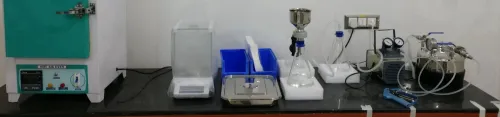
4. Record the validated extraction method, fluid lot and recovery result. Collect the complete rinse on a membrane, using the specified filter size and compatible filtration assembly.
5. Dry or condition the membrane without adding particles, then inspect it by microscope or scan it. Classify particles into the agreed size bands, and retain images for disputed counts or exclusions.
6. Trend laboratory background counts over time. Stop testing and identify the source when blanks rise toward the sample result; a clean fluid can still pick up particles from bottles, tubing, filters or dispensing hardware.
7. Issue a traceable report containing sample ID, component revision, extraction method, fluid lot, membrane ID, operator, instrument, calibration status, raw images, corrections and report version. Keep the blank results with the sample record.
Match optical capability to the standard and the particle
A result is defensible only when its optical method matches the customer’s cleanliness method. ISO 16232:2018 for road-vehicle component cleanliness and VDA 19.1 do not make every particle counter interchangeable with filter analysis.
| Method | Strength | Main risk |
|---|---|---|
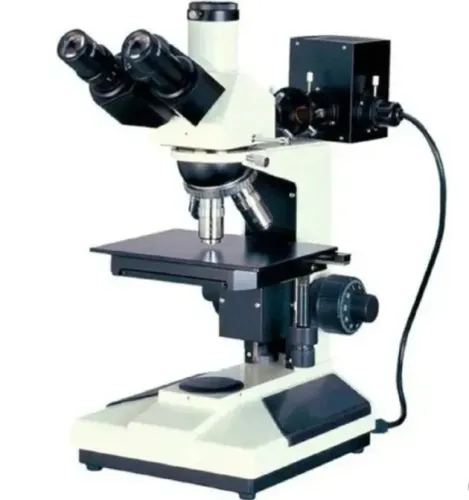
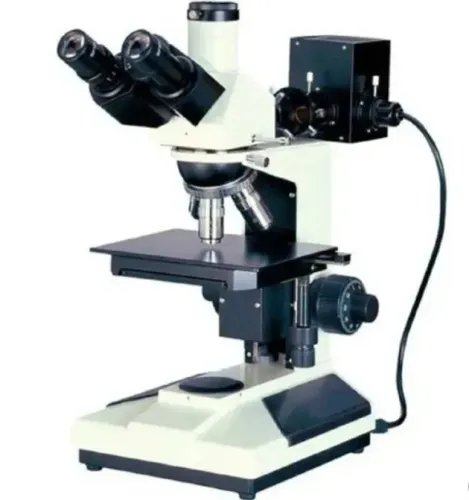
| Microscope-based filter analysis | Trained review of shape, fibres and residue on a retained membrane | Slower, operator-dependent |
| Automated optical scanning | Repeatable counting and faster reporting | Classification errors without image review |
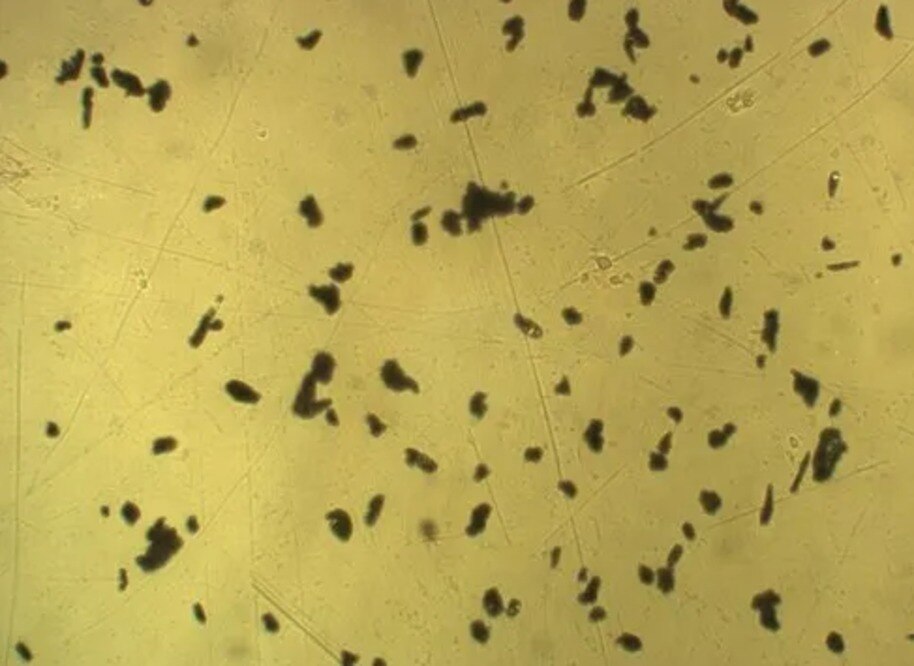
Confirm the customer’s particle-size bands, extraction energy, rinse volume, filter dimensions and reporting rules before comparing instruments. Transparent fibres, reflective metal, flakes, bubbles, agglomerates, scratches and residue can all produce optical errors. Equivalent optical diameter changes with shape, opacity, reflectivity, refractive index and orientation.
A scanner should retain images, allow trained review, and record an audit trail for exclusions or corrected classifications. Otherwise, a fast count can hide a wrong count.
Treat DeXel Filtrate Optical NLV and Optical IV as labels, not proof of capability. A DeXel Filtrate Optical NLV buying guide is useful only after the supplier defines:
- Optical principle, lower reliably detected size and number of channels
- Counted area or liquid volume, sample presentation and fluid compatibility
- NLV meaning and units: detection limit, noise limit or nominal range
- Calibration evidence across the complete reporting range
That evidence determines the particle analyzer laboratory choice, not the product name.
Calculate whether automation beats a manual or outsourced route
Automation beats manual or outsourced testing only when repeated sample volume keeps the instrument occupied. That is the core of Millipore particle analyzer laboratory value: compare total ownership cost, not the quotation. For a millipore particle analyzer for a cleanliness laboratory in Bengaluru, calculate:
- Instrument purchase, installation, clean-area preparation and operator training
- Extraction labour, membranes, rinse fluid and validation samples
- Calibration, software support, service contracts and report review
- Spare cameras, light sources, pumps, vacuum parts and expected downtime
| Option | Include in the comparison | Best fit |
|---|---|---|
| Semi-automatic microscope | Lower capital cost, operator time, consumables, calibration and review | Repeated testing with moderate throughput |
| Manual microscope plus outsourced SEM/EDS | Local extraction and counting labour, external analysis fee and unusual-particle investigations | Occasional work requiring morphology or elemental evidence |
| External laboratory | Per-sample charge, packaging, transport time and report lead time | Low volume where internal equipment would sit idle |
Set the break-even point from samples per month, operator hours saved and avoided outsourcing—not from sample count alone. Automation gains value when the same size classes and report format recur often; occasional investigations can favour manual judgment.
Before buying in Bengaluru, ask for local engineer response time, calibration turnaround, imported-part availability, remote diagnostics, software and detector replacement arrangements, and camera or pump lead times. Require a written downtime method: approved backup microscope, blank controls, raw-image retention and review authority. Conation Technologies Pvt.
Ltd. can help compare equipment with testing support, but demand identical written methods, blank limits and acceptance evidence from every supplier.
Related products
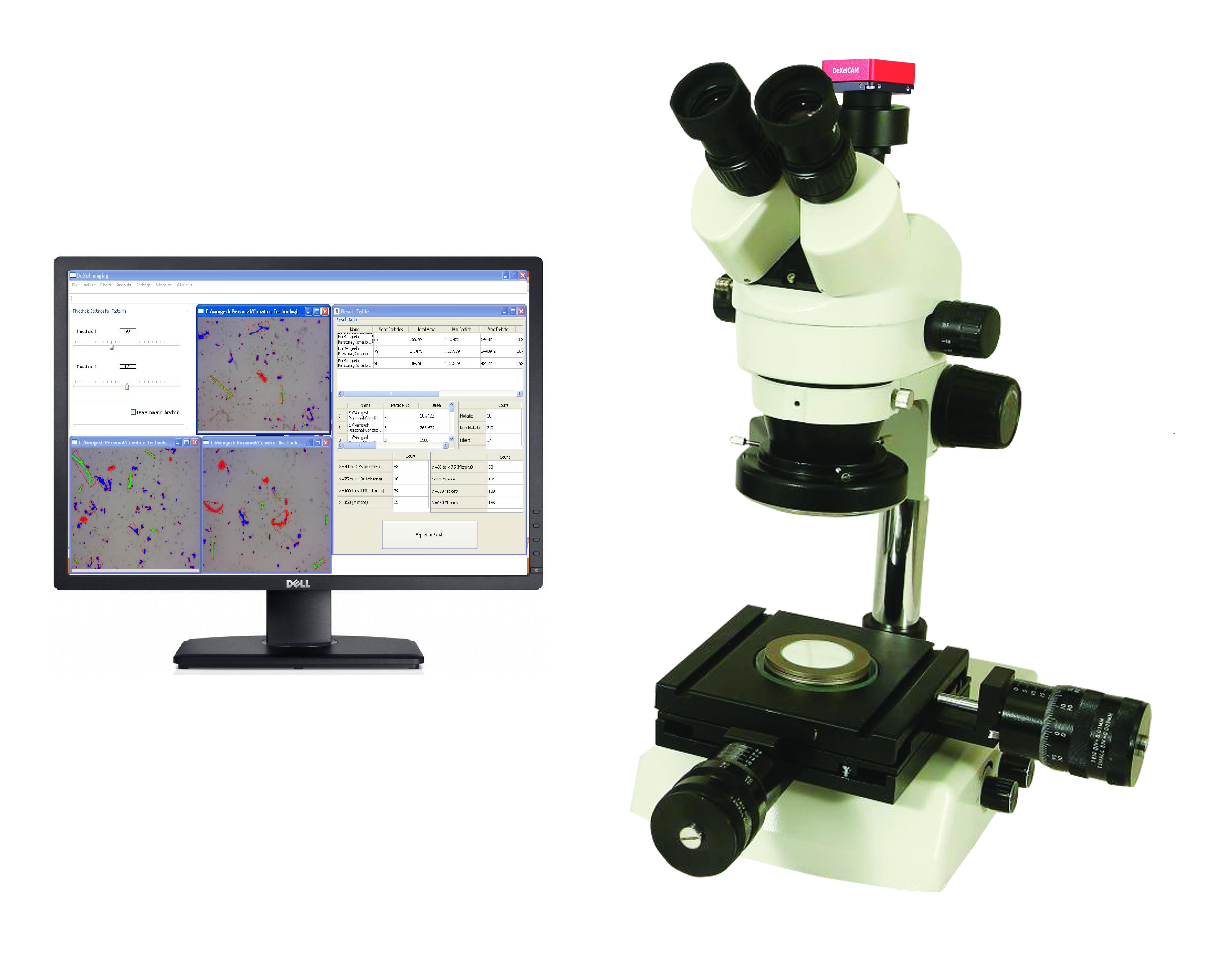 | Cleanliness Particle Analyzers Filtrate I - Semi-Automatic Particle Analyzer Critical components going into fluid or air circuitry, engine components and some trasmission assemblies are need to free from particle contamination... View product → |
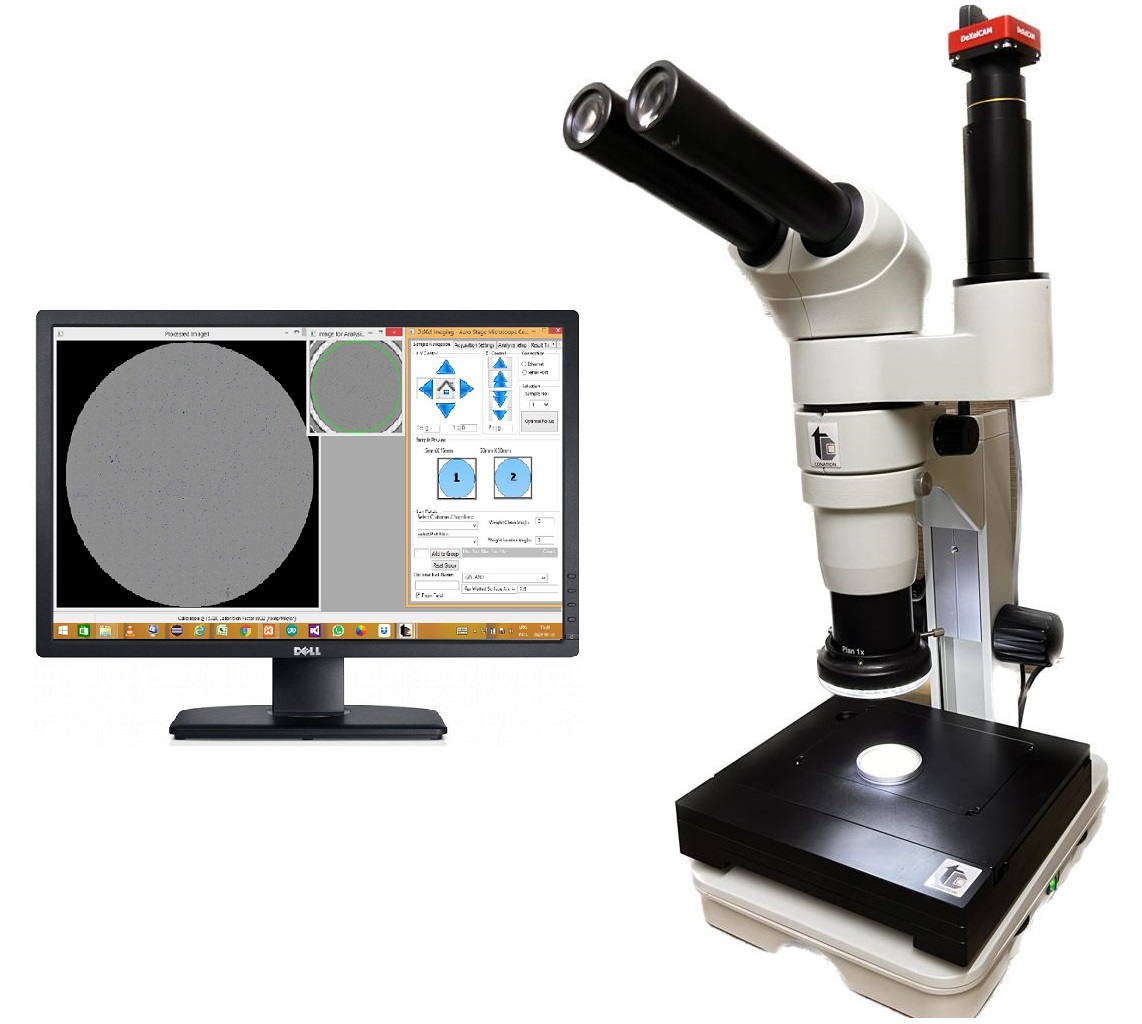 | Cleanliness Particle Analyzers Critical components going into fluid or air circuitry, engine components and some trasmission assemblies are need to free from particle contamination... View product → |
Write the purchase specification and prove it before acceptance
Write the specification before requesting quotations. Name the governing method, particle-size classes, minimum reliably measured size, component and membrane dimensions, extraction fluid, rinse volume, extraction energy, allowable blank, daily throughput and report format. State the image-retention period, raw-data access, software export format, calibration interval and measurement-uncertainty approach.
That is the real millipore particle analyzer laboratory value question, not a brand comparison.
- Test traceable particle-size standards across the actual reporting range. Record bias, repeatability, minimum detected size and false classifications against pre-set acceptance limits.
- Compare a filter scanner with a liquid particle counter using your own extraction fluid, membrane, particle mix and reporting classes. Record both results; matching counts are not assumed.
- Define the acceptance report: sample identity, method version, counted area or volume, size classes, blank result, corrections, images and calculation settings.
- For ISO/IEC 17025 control, preserve competence records, calibration certificates, method versions, nonconforming-work decisions and technically justified sampling rationale.
Keep the specification separate from marketing terms such as “NLV”; a DeXel Filtrate Optical NLV buying guide cannot replace defined units, detection limits and calibration evidence. Buy automation only when it passes the method-specific acceptance test, blanks remain within the pre-set limit, service risk is acceptable, and demonstrated throughput repays ownership, validation and downtime costs.
Frequently asked questions
What should you define before comparing particle analyzers?
Define the component, extraction method, membrane, particle-size range, counting rule, reporting format, and cleanliness standard first. An analyzer cannot be judged without a fixed measurement method.
How do you build a reliable extraction and counting workflow?
Control component handling, extraction fluid, rinsing, filtration, membrane preparation, contamination controls, counting settings, and records. Run blanks and known samples to separate process contamination from component particles.
How do you match optical capability to the cleanliness standard?
Compare the standard’s particle-size thresholds and counting rules with the instrument’s optics, magnification, illumination, image analysis, and ability to distinguish particles from fibres, stains, and artefacts.
When does automation beat manual or outsourced particle counting?
Automation becomes valuable when sample volume, repeat measurements, reporting time, or operator consistency justifies its cost. Compare purchase, validation, training, maintenance, consumables, labour, and outsourcing charges over the same period.
What should you include in the purchase specification and acceptance test?
Specify the sample and membrane formats, size range, counting performance, software outputs, data export, calibration evidence, training, service terms, and contamination controls. Accept the instrument only after it passes repeatability and comparison tests using defined samples.
Related products
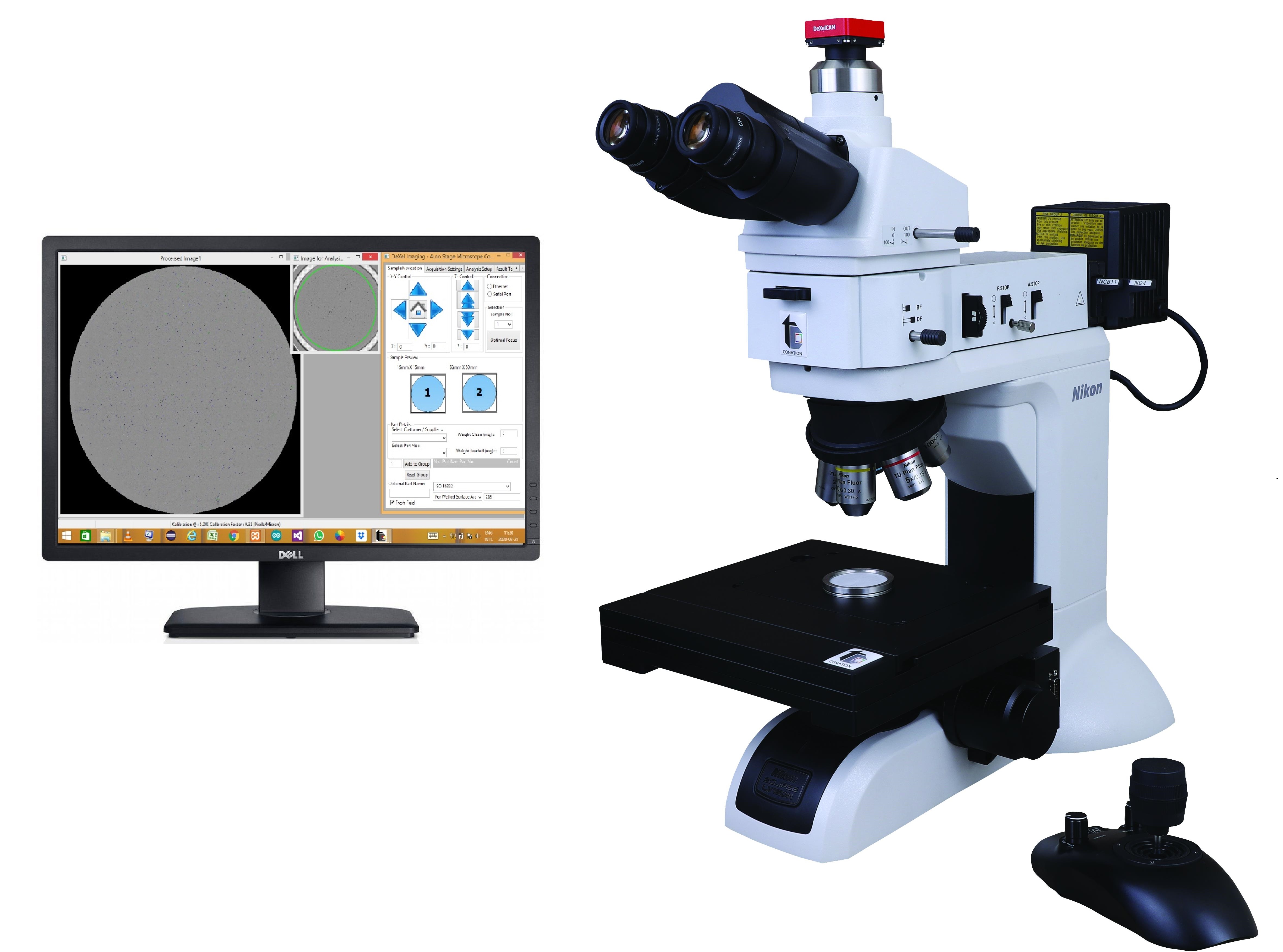 | Cleanliness Particle Analyzers DeXel-Filtrate Optical NLV; Automatic Particle Analysis System Critical components going into fluid or air circuitry, engine components and some trasmission assemblies are need to free from particle contamination... View product → |
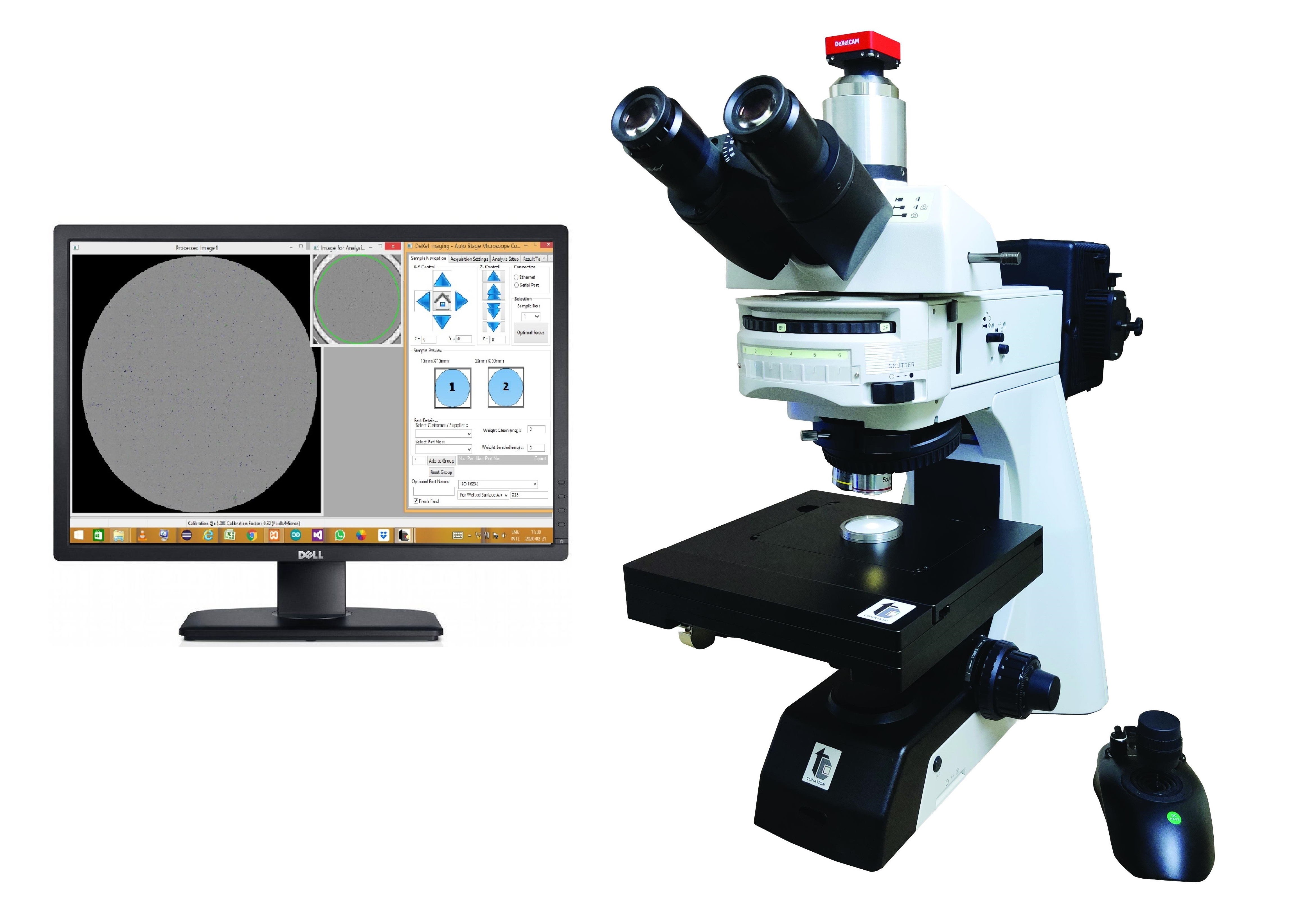 | Cleanliness Particle Analyzers DXel-Filtrate Optical IV; Automatic Particle Analysis System Critical components going into fluid or air circuitry, engine components and some trasmission assemblies are need to free from particle contamination... View product → |