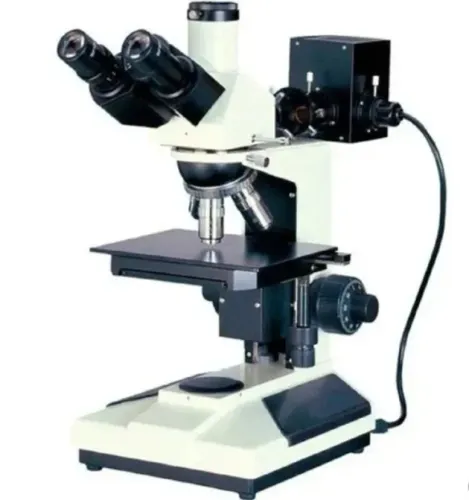

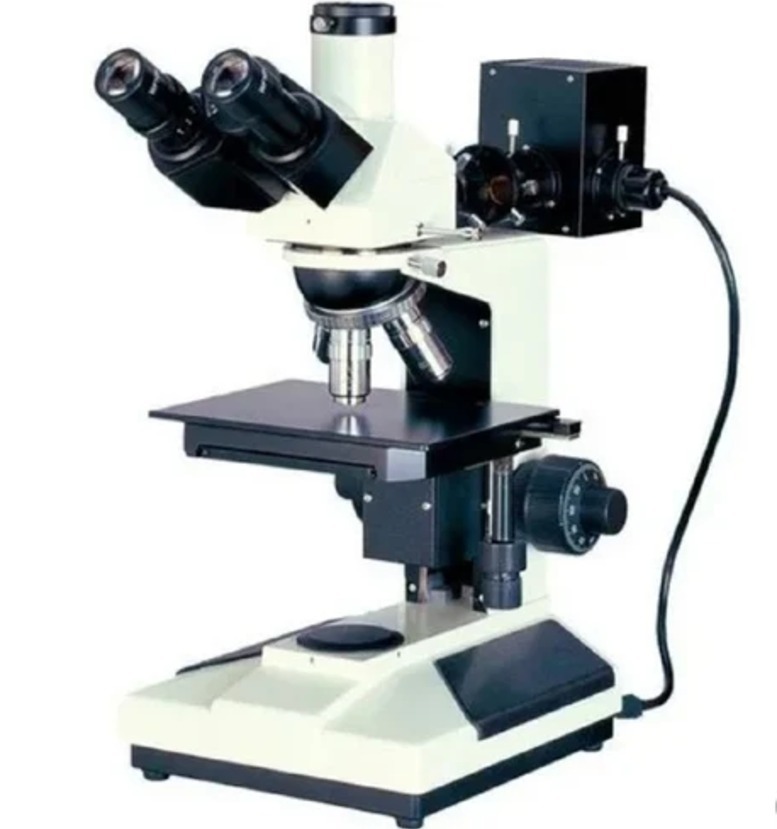
Setting up or upgrading a material-testing laboratory usually involves more than purchasing one instrument. Metallography can require sectioning, mounting, grinding, polishing, microscopy, image analysis, hardness testing, and application-specific measurement. Choosing a provider for Metallurgical Image Analysis and related laboratory equipment should therefore involve evaluating how well the complete workflow is understood.
For manufacturing companies, testing laboratories, educational institutions, research facilities, foundries, fabrication companies, and automotive suppliers in Bangalore, Karnataka, several factors can help distinguish a suitable technical partner from a basic equipment seller.
Start With Application Understanding
A productive discussion should begin with the samples and tests rather than a product catalogue.
A provider should seek information about the materials being examined, specimen dimensions, preparation requirements, inspection objectives, test volume, applicable standards, and expected reporting.
For example, a laboratory focused on Weld Analysis may require sectioning, preparation, microscopy, image measurement, and possibly microhardness testing. A laboratory studying general material microstructures may need a different combination.
The equipment recommendation should follow the application.
Evaluate Workflow Compatibility
Individual machines should work logically together.
An abrasive cutting machine determines how specimens are sectioned. Mounting influences handling. Grinding and polishing determine surface quality. The microscope affects visualization, while image-analysis software influences measurement and documentation.
If these stages are selected independently, laboratories can end up with unnecessary bottlenecks or mismatched capabilities.
Ask the provider to explain how the proposed equipment fits into the complete sample journey.
Review Demonstration Quality
A demonstration becomes far more useful when performed with representative samples.
Where practical, evaluate the type of specimen your laboratory actually handles. Observe preparation quality, image clarity, measurement workflow, operator steps, and reporting rather than concentrating only on headline specifications.
For a Microvickers Hardness Tester, for example, consider how samples are positioned, indentations are observed, measurements are obtained, and results are documented.
Examine Training Requirements
Laboratory equipment performs best when operators understand both the instrument and the test method.
Ask what operator training accompanies installation and whether the training covers routine operation, basic method considerations, care, and relevant software workflows.
This is particularly important for microscopy, metallography, cleanliness analysis, and microhardness applications where preparation and operator decisions can influence results.
Consider Service and Long-Term Use
Equipment selection should account for the years following installation.
Discuss preventive maintenance requirements, consumables, commonly required accessories, software considerations, service support, and expected response processes.
A lower initial price can become less attractive if the equipment does not suit the workload or creates avoidable operational difficulty.
Look for Breadth Where the Workflow Requires It
A provider covering related technologies can be useful when the laboratory needs an integrated solution.
Conation Technologies Pvt. Ltd. serves industrial and laboratory requirements in Bangalore across areas including contamination and Millipore analysis, particle analyzers, metallurgical microscopes, metallography image analysis, weld penetration analysis, microhardness testing, and metallurgical sample preparation.
The strongest buying decision begins with a written requirement. Define your samples, applications, standards, daily workload, required measurements, reporting expectations, available laboratory space, and likely future expansion.
Then evaluate the proposed solution against those requirements.
A suitable laboratory-equipment provider should help connect instruments to the actual testing process. When equipment selection is based on real specimens, realistic throughput, operator workflow, measurement needs, and long-term support, the laboratory is better positioned to build a testing process that remains practical as its quality requirements evolve.