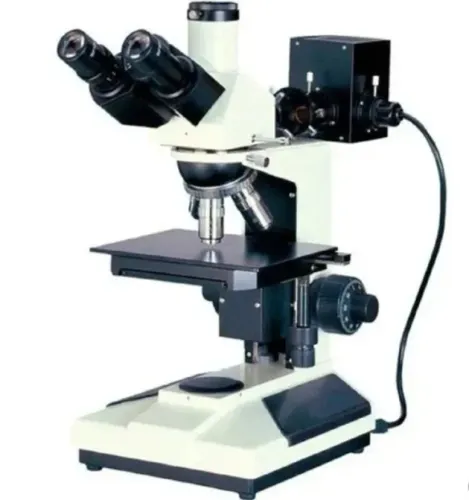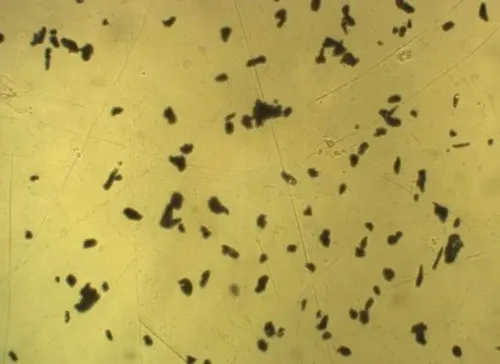

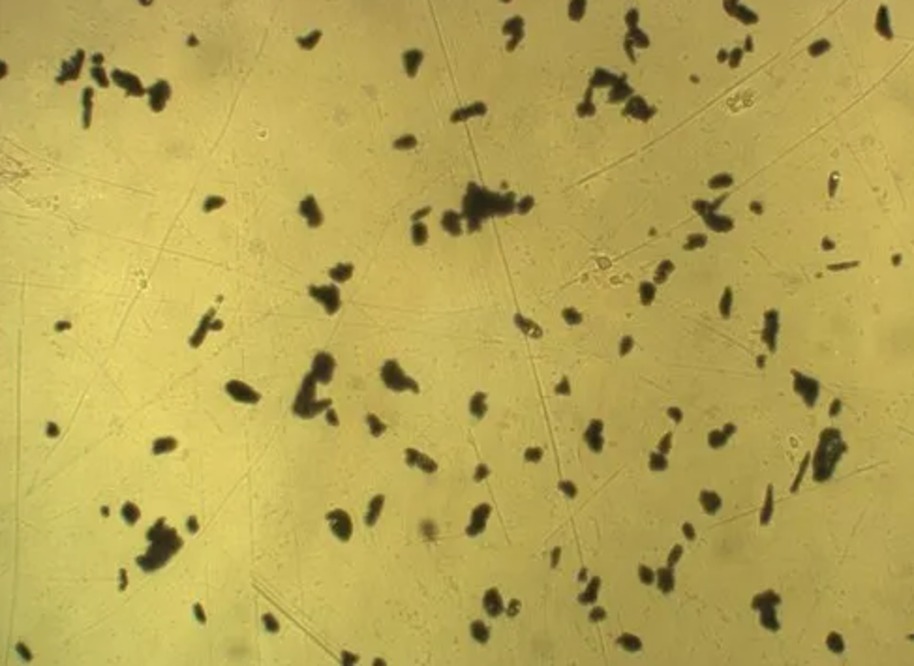
Manual particle inspection can work well when cleanliness testing is occasional. As production expands, however, laboratories may begin processing more samples, producing more reports, and facing greater pressure for consistent results. At that point, evaluating a Millipore Particle Analyzer becomes a practical quality-control decision rather than simply an equipment upgrade.
For manufacturers in Bangalore and Karnataka, several operational indicators can show when the existing particle-analysis workflow is becoming difficult to manage.
Your Sample Volume Has Increased
One of the clearest signs is growing test frequency.
When operators repeatedly inspect membranes, locate particles, measure them, classify results, and prepare reports manually, analysis time can become a significant part of the cleanliness-testing cycle.
An automated or software-assisted system can help streamline repetitive measurement activities.
Different Operators Produce Inconsistent Results
Technical cleanliness depends on repeatability.
If results vary because operators interpret or measure particles differently, standardized analysis settings may help improve consistency. Automation does not eliminate the need for trained personnel, but it can reduce some forms of operator-dependent variation during particle measurement.
Customers Require More Structured Reports
As cleanliness requirements become more detailed, reporting can become increasingly important.
Customers may require defined particle classes, dimensional information, documented results, or reporting aligned with a specified procedure.
A suitable Cleanliness Particle Analyzer should therefore be evaluated not only for image capture but also for how efficiently it converts analysis into usable quality records.
You Need Better Historical Comparison
A single cleanliness result answers only one question about one sample.
Stored, structured results can support broader investigation. Quality teams may compare production batches, evaluate cleaning-process changes, examine supplier performance, or investigate when contamination levels began to change.
Digital analysis becomes more valuable when cleanliness data is treated as process information rather than isolated inspection records.
Your Testing Must Follow Defined Standards
If customers require testing associated with ISO 16232 or another defined cleanliness method, the laboratory should review whether its current workflow can reliably support the required procedure.
The equipment should be evaluated against the actual standard and customer requirements rather than relying on assumptions about compliance.
Your Extraction Process Is Already Controlled
This readiness indicator is often overlooked.
Automating particle measurement makes the most sense when extraction, filtration, membrane handling, and background cleanliness are already reasonably controlled. Otherwise, the laboratory risks automating the analysis of inconsistent samples.
Conation Technologies Pvt. Ltd. supports technical cleanliness and Millipore analysis requirements for manufacturing laboratories in Bangalore, including particle-analysis technologies and related application requirements.
Before selecting a system, prepare actual information for evaluation: typical membrane samples, component types, relevant specifications, expected particle ranges, daily test volume, current reporting method, and future testing requirements.
This makes demonstrations more meaningful because the analyzer can be considered in the context of real laboratory work.
Automation is most valuable when it solves a defined operational problem. If manual measurement is becoming slow, results are difficult to standardize, reporting requirements are expanding, or sample volumes are increasing, a Millipore particle analyzer may provide a more scalable approach to cleanliness evaluation.