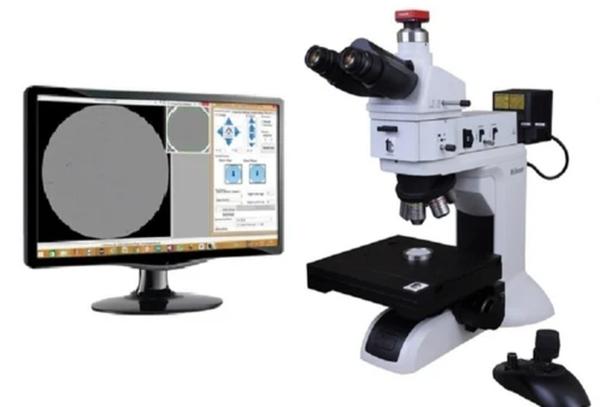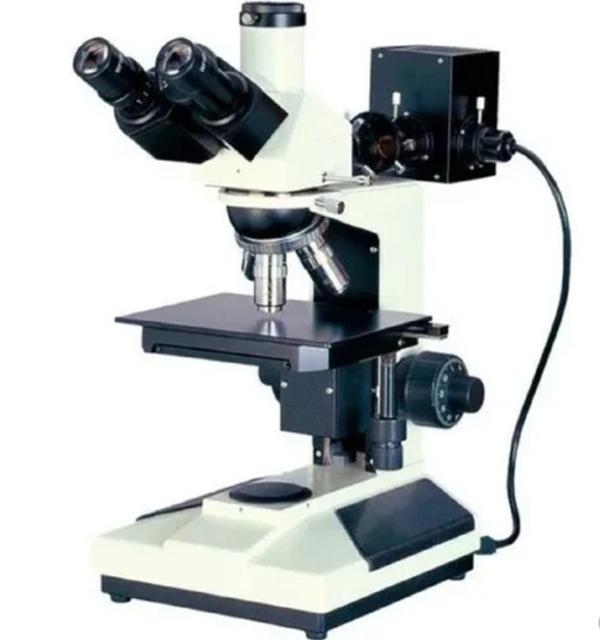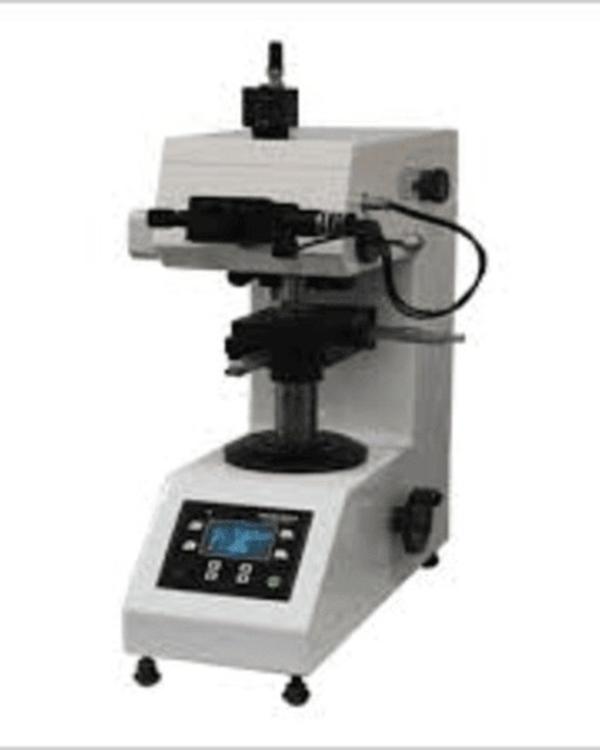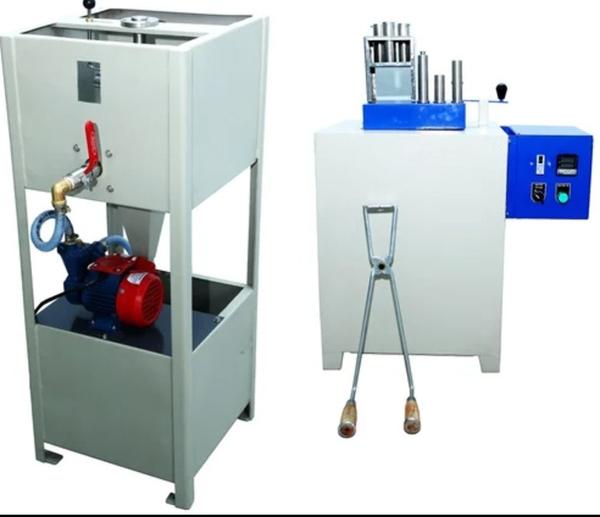

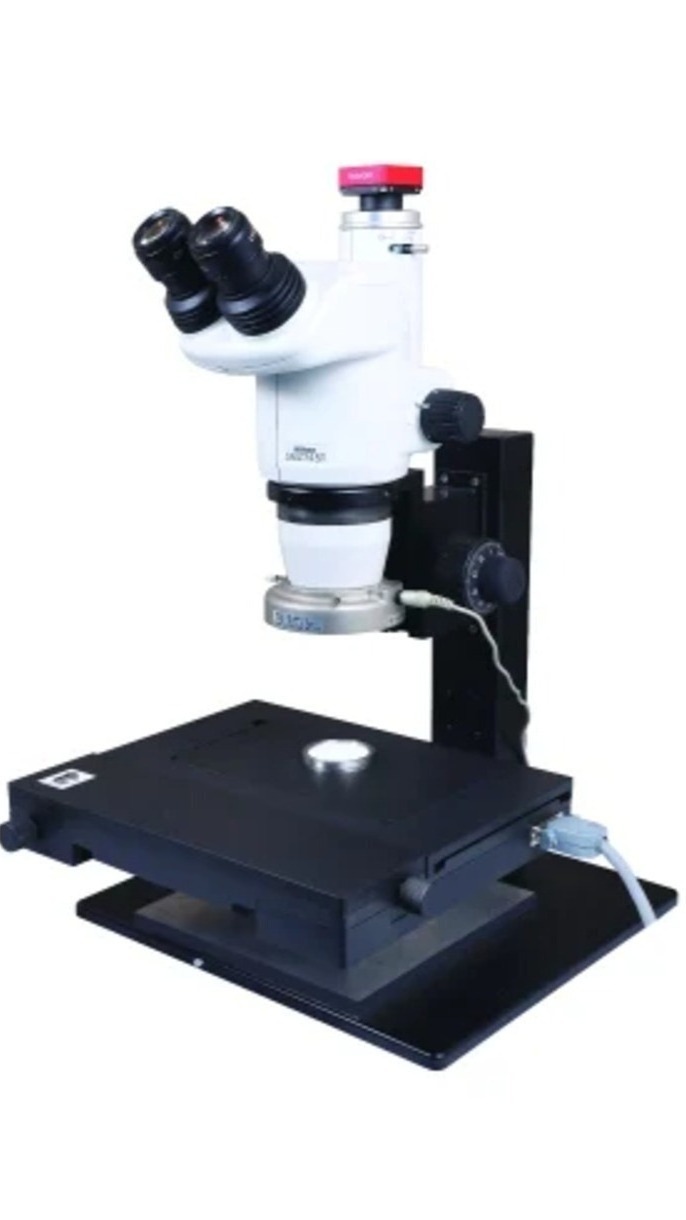
Millipore Analysis Best methods are widely used to evaluate cleanliness levels in precision-manufactured components. This testing approach plays a vital role in industries where fluid systems, mechanical assemblies, and safety-critical parts must remain free from harmful particles. Millipore analysis involves extracting contaminants from component surfaces and filtering them for detailed evaluation, helping manufacturers understand real-world cleanliness conditions.
The process enables accurate assessment of particle count, size range, and contamination severity, making it easier to align production output with internal quality standards and customer specifications. Results from millipore analysis often guide process optimization, supplier approval, and batch validation activities. When applied consistently, it supports traceability and strengthens documentation required during audits and certifications.
Manufacturers rely on millipore analysis not only for compliance but also for continuous improvement. It provides actionable insights into machining processes, cleaning effectiveness, and handling practices. With proper analysis interpretation, organizations can reduce failure risks, enhance component lifespan, and maintain consistent quality across production cycles.
To understand how millipore analysis can improve your cleanliness control strategy, call or visit us in Bengaluru for expert guidance and testing solutions.